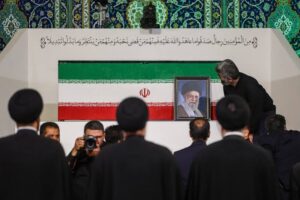

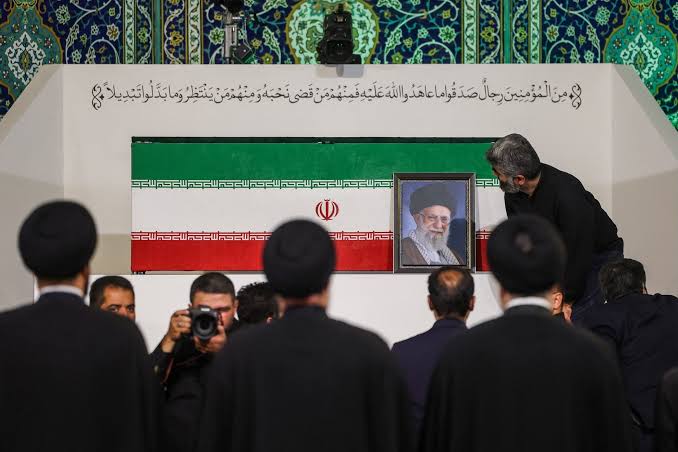
Iran has entered one of the most significant moments in its modern history as the body of slain Supreme Leader Ayatollah Ali Khamenei was placed in state in Tehran, marking the beginning of a week-long series of funeral ceremonies expected to draw millions of mourners from across the country and abroad. The elaborate farewell reflects both the political importance of Khamenei’s 37-year leadership and the Islamic Republic’s effort to project unity during a period of uncertainty.
The main mourning ceremony is taking place at Tehran’s Grand Mosalla prayer complex, where senior clerics, military commanders, government officials, foreign dignitaries, and thousands of ordinary citizens have gathered to pay their final respects. Long queues formed outside the venue as mourners waited for hours to enter and offer prayers beside the flag-draped coffin.
The funeral ceremonies come months after Ayatollah Ali Khamenei was killed during U.S. and Israeli airstrikes that targeted Iran at the beginning of a wider regional conflict. His death ended nearly four decades of leadership during which he shaped Iran’s domestic politics, military strategy, and foreign policy. The government has organized a nationwide mourning campaign, with ceremonies scheduled across several important religious cities before his final burial in Mashhad.
According to Iranian officials, the funeral procession will travel through the holy city of Qom before continuing to Najaf and Karbala in neighboring Iraq, both major centers of Shiite Islam. The final burial is expected to take place in Mashhad, home to one of the holiest shrines in the Shiite Muslim world. Authorities have described the events as a tribute to Khamenei’s legacy and an opportunity for citizens to demonstrate national solidarity.
Security across Tehran has been significantly tightened throughout the funeral period. Roads surrounding the ceremony venue have been heavily guarded, while officials have coordinated transportation and accommodation to support the large crowds expected to attend. Government institutions have encouraged public participation, emphasizing the historical importance of the ceremonies.
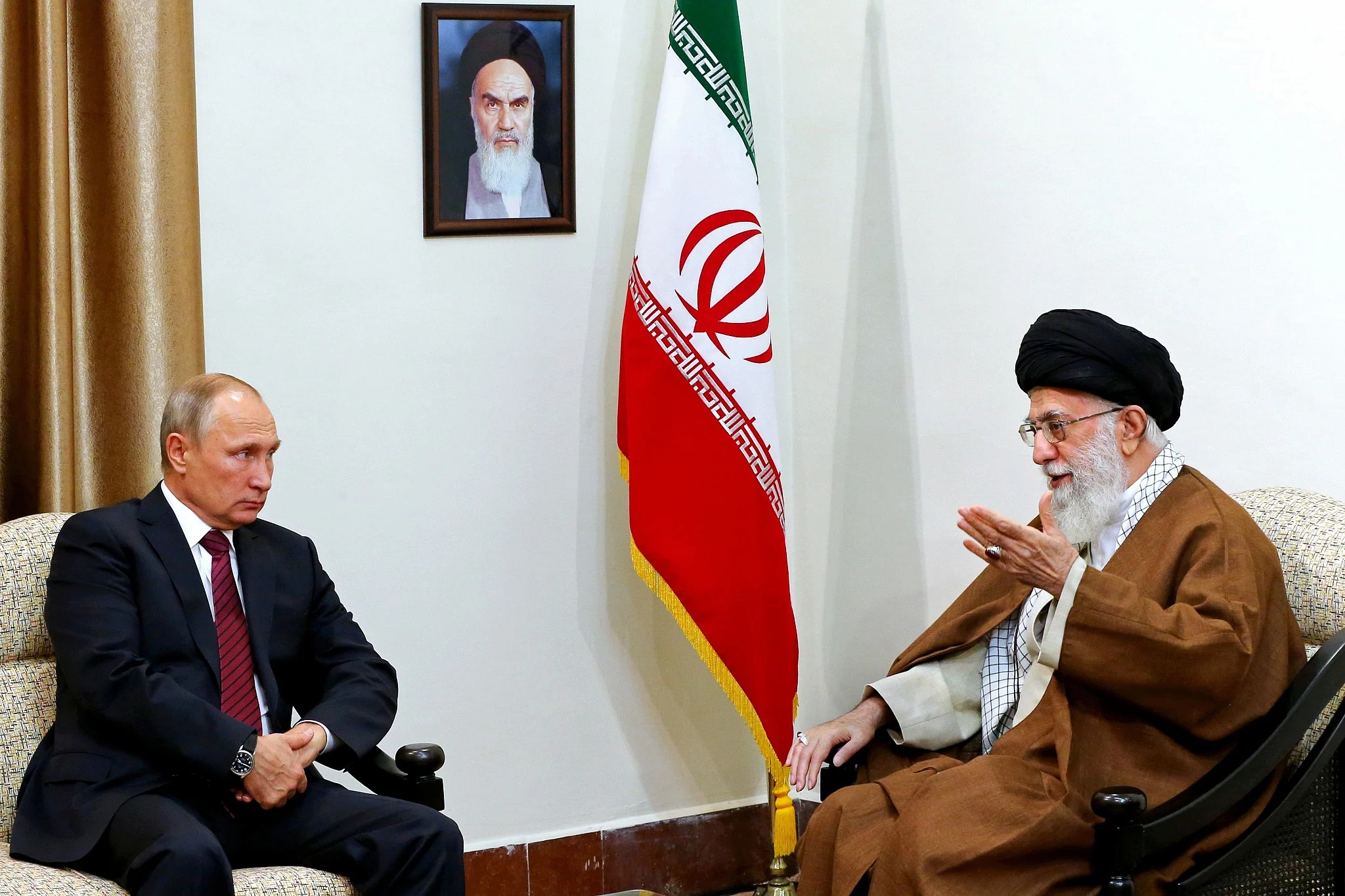
International delegations from several countries, including Russia, China, Iraq, and Pakistan, have attended the opening events, reflecting Iran’s diplomatic relationships despite continuing tensions with Western nations. Their presence highlights the geopolitical significance of the funeral, which extends beyond a religious ceremony into a major international event.
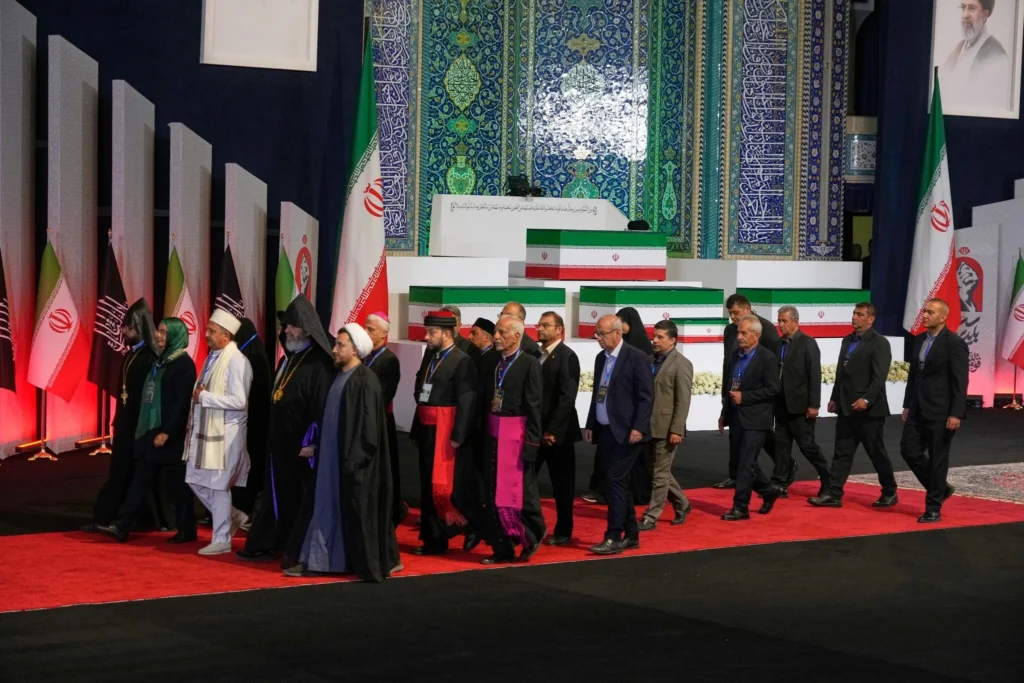
While the Ayatollah Ali Khamenei funeral demonstrates public support among many Iranians, analysts say the country also faces considerable political and economic challenges. Years of international sanctions, inflation, and domestic unrest have created divisions within Iranian society. Many observers believe the transition of leadership will be closely watched, both inside Iran and internationally, as questions remain about the country’s political direction following Khamenei’s death.
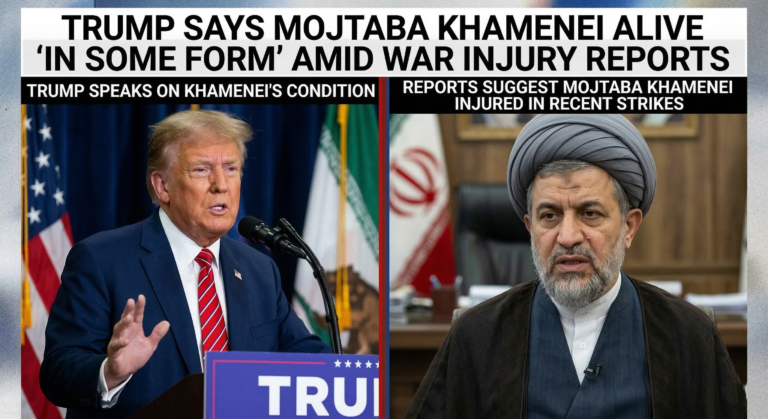
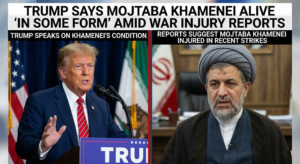
Attention has also focused on Mojtaba Khamenei, the late leader’s son, who has reportedly been named as his successor but has remained largely absent from public view after reportedly being injured during the same airstrikes. His absence has fueled speculation about the country’s future leadership and how Iran’s government will navigate the post-Khamenei era.
For Ayatollah Ali Khamenei supporters of the Islamic Republic, the week of mourning symbolizes loyalty to a leader who guided Iran through decades of regional conflicts, international sanctions, and political challenges. Religious ceremonies, Quran recitations, and public processions have been organized across the country, with state media broadcasting continuous coverage of the events.
Critics, however, argue that the funeral also serves as a political demonstration intended to reinforce the government’s authority at a time when the nation faces significant internal pressures. Regardless of differing opinions, the ceremonies represent one of the largest public events in Iran in recent years and are expected to influence both domestic politics and regional diplomacy in the months ahead.
As thousands continue to file past Ayatollah Ali Khamenei coffin in Tehran, the funeral marks not only the end of an era but also the beginning of a new chapter for Iran. The coming weeks will determine how successfully the country’s leadership manages the transition while maintaining stability at home and navigating ongoing tensions across the Middle East.