

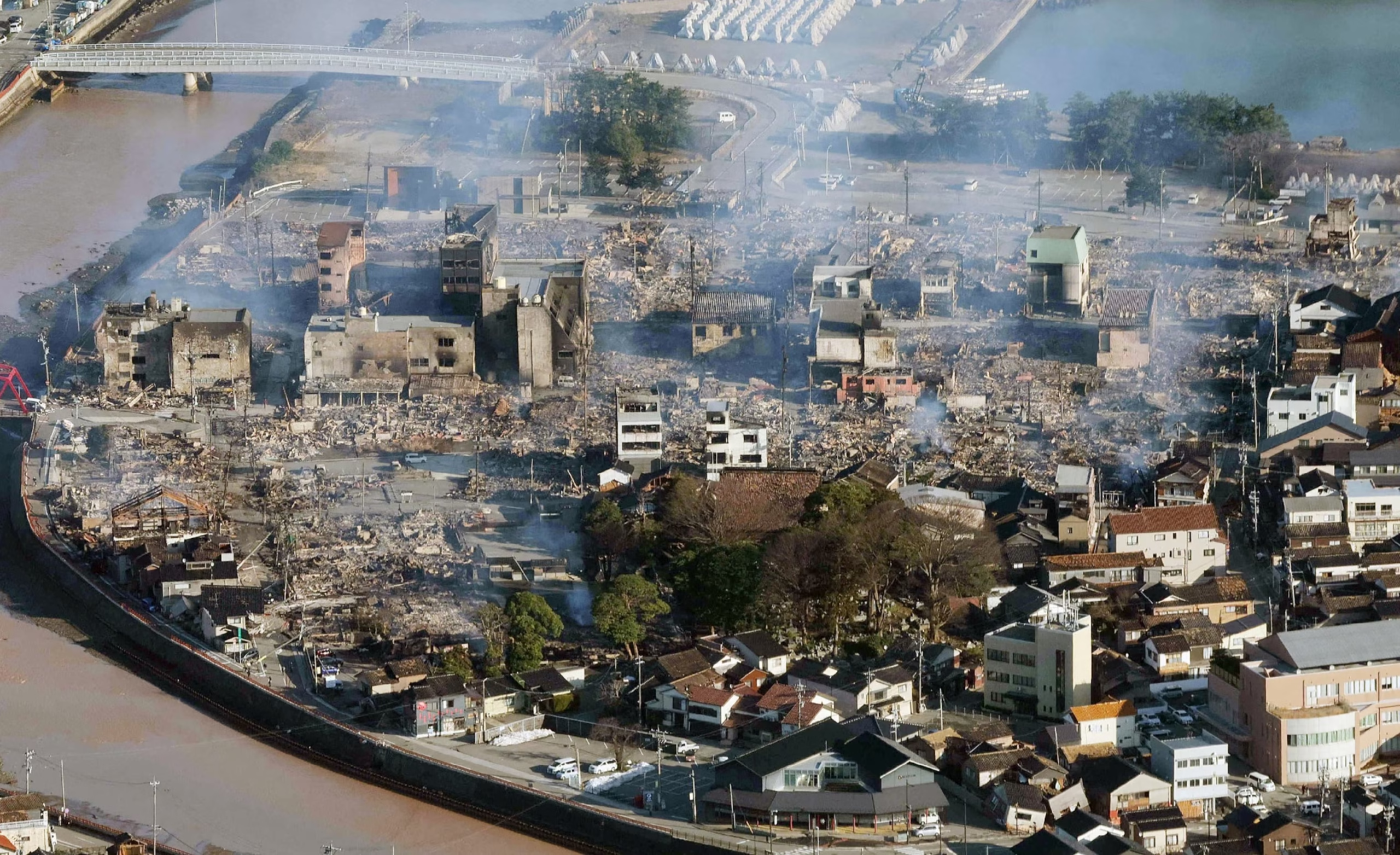
Japan faced another moment of fear and uncertainty as a strong undersea earthquake triggered urgent tsunami warnings across its northern coastline. The powerful tremor, which rattled regions including Hokkaido, Aomori, and parts of Tohoku, reminded the nation of its deep vulnerability to seismic disasters. Though the resulting tsunami waves were smaller than expected, the sudden alerts created widespread panic, forced mass evacuations, and disrupted transportation during peak hours.
The earthquake struck with significant intensity, shaking buildings, halting trains, and causing people to rush out of their homes in the freezing early hours. According to early assessments, dozens suffered injuries from falling objects, debris, or sudden evacuations. Emergency teams worked through the morning to assess damage, restore services, and ensure that coastal communities were safe.
A Sudden Quake That Sent Shockwaves Across Regions
Residents described the quake as long, violent, and frightening enough to knock items off shelves and disturb even earthquake-hardened buildings. Within minutes, Japan’s meteorological agency issued immediate tsunami alerts for the northern Pacific coastline. Sirens echoed through several towns as local authorities urged residents to rush to higher ground.
Coastal communities reacted instantly cars surged through narrow roads, families evacuated with emergency kits, and fishing boats scrambled to return to port. Even though Japan is one of the most prepared countries in the world for earthquakes, the suddenness of the quake caught many by surprise.
Tsunami Waves Recorded, But Danger Quickly Lowered
Initial warnings suggested waves as high as 3 meters could hit the coast. However, actual observations showed smaller waves, ranging from 20 centimeters to nearly 1 meter in different areas. While these waves were not devastating, they were strong enough to disrupt ports, damage lightweight coastal structures, and displace small boats.
Authorities later downgraded and eventually lifted the tsunami warnings after confirming that no major wave threats remained. Despite this relief, officials stressed that even small tsunami waves can pose danger, especially to low-lying harbors.
Emergency Response Teams Act Quickly
Japan’s disaster-response machinery activated immediately. Firefighters, coast guard units, and medical teams were dispatched to affected zones. Local governments opened evacuation shelters, offering blankets, heaters, food, and medical assistance to displaced residents.
Hospitals reported treating injuries related to falls, broken glass, and sudden evacuation panic. Thankfully, no large-scale structural collapses or widespread fatalities were reported at the time of the update.
Transport and Power Disruptions Followed the Tremor
Rail networks, including Shinkansen bullet trains, were temporarily halted for emergency inspections. Several flights at northern airports were delayed as runways and facilities were checked. Minor power outages were observed in certain towns but were restored within hours.
Fisheries, one of Japan’s most important coastal industries, also reported losses due to boats being pushed ashore or damaged by strong currents. Many ports remained closed for safety checks, affecting early-morning shipping schedules.
Residents Share Their Fear and Relief
Many residents took to social media to describe the terrifying moments when their houses swayed, windows vibrated, and tsunami warning sirens blared. Parents described carrying their children through cold night air, while elderly evacuees recalled memories of past disasters like the 2011 Tohoku tsunami.
Still, a strong sense of resilience was visible everywhere. Volunteers assisted evacuees, local businesses offered temporary shelter, and emergency crews worked nonstop.
Experts Warn Japan to Stay Alert
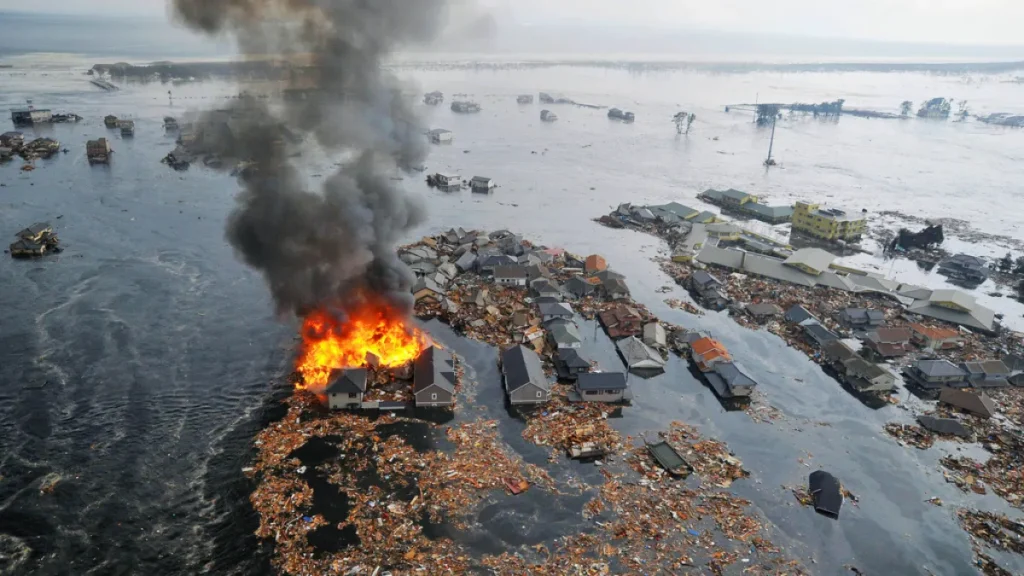
Seismologists commented that the quake could be part of ongoing tectonic activity in the region. They warned that aftershocks are likely, and people should remain cautious over the coming days.
Japan sits on the Pacific “Ring of Fire,” making it extremely vulnerable to earthquakes and tsunamis. Continuous preparedness—such as secure buildings, early-warning systems, and community awareness has repeatedly helped save lives, including in this recent event.
A Nation Prepared, But Always Vigilant
Although the tsunami threat passed without major destruction, the incident highlighted Japan’s constant battle with natural forces. The fast-acting alert system, disciplined public response, and rapid emergency management showcased why Japan remains a global model for disaster preparedness.
For now, coastal residents are returning home, ports are reopening, and authorities continue safety inspections. Japan once again demonstrated resilience in the face of nature’s unpredictability—but experts say this quake serves as a reminder that constant vigilance is essential.