A Sudden Attack in Calm Waters
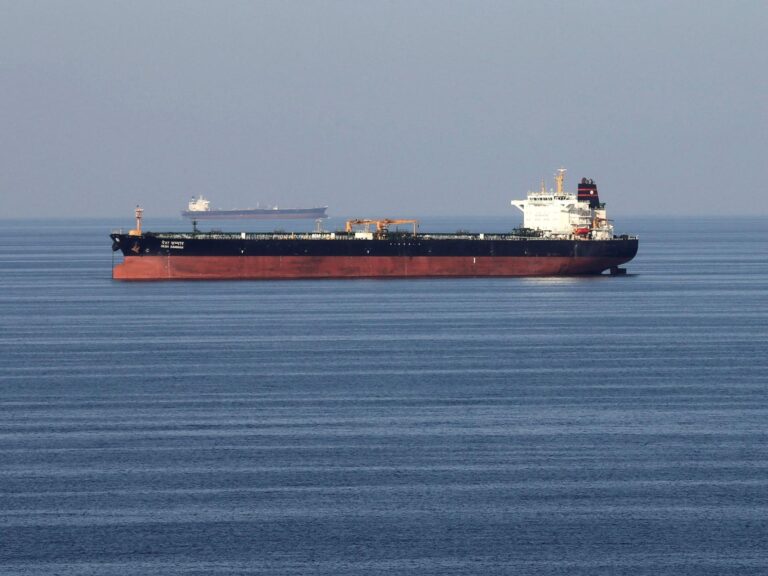
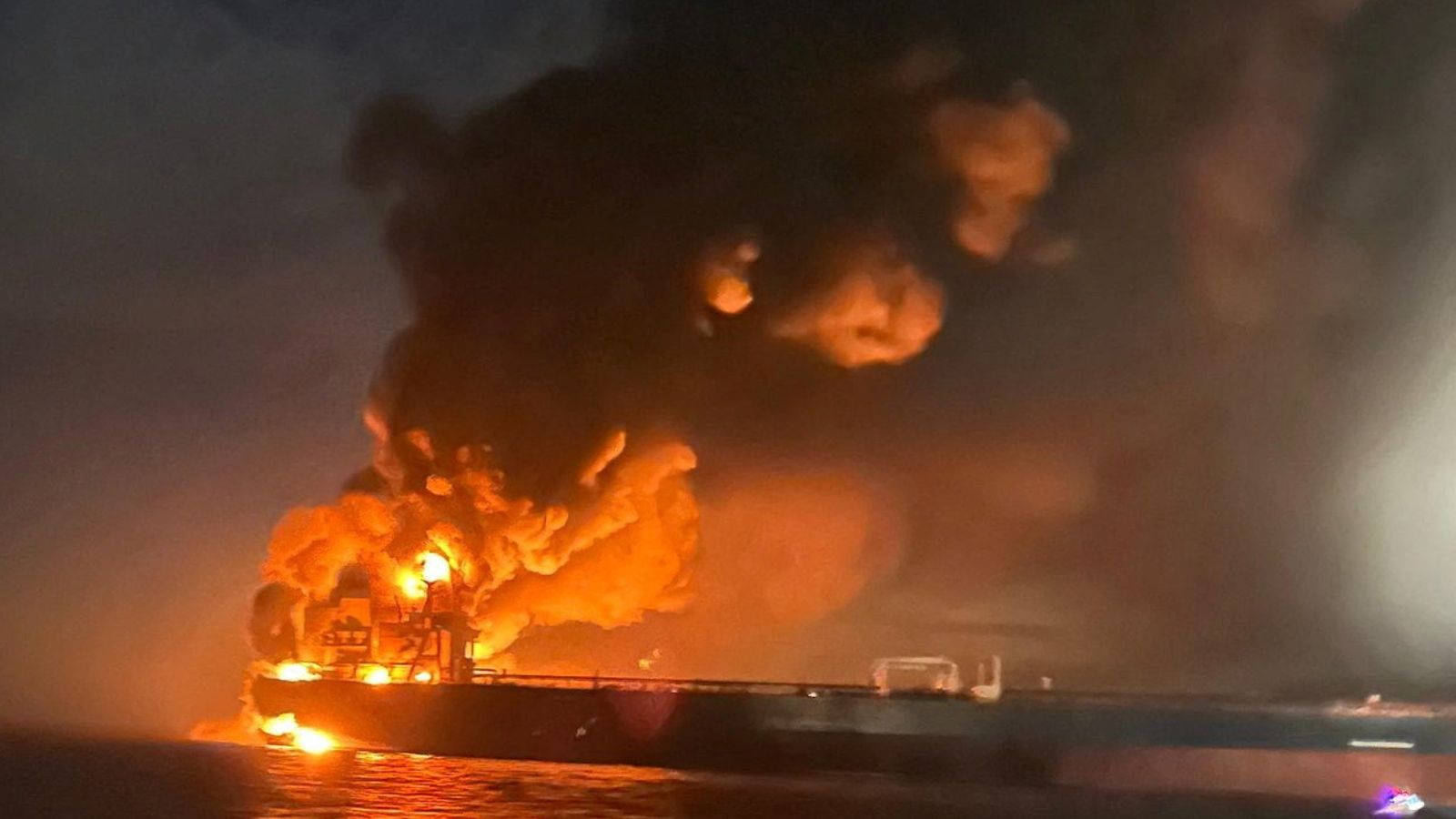
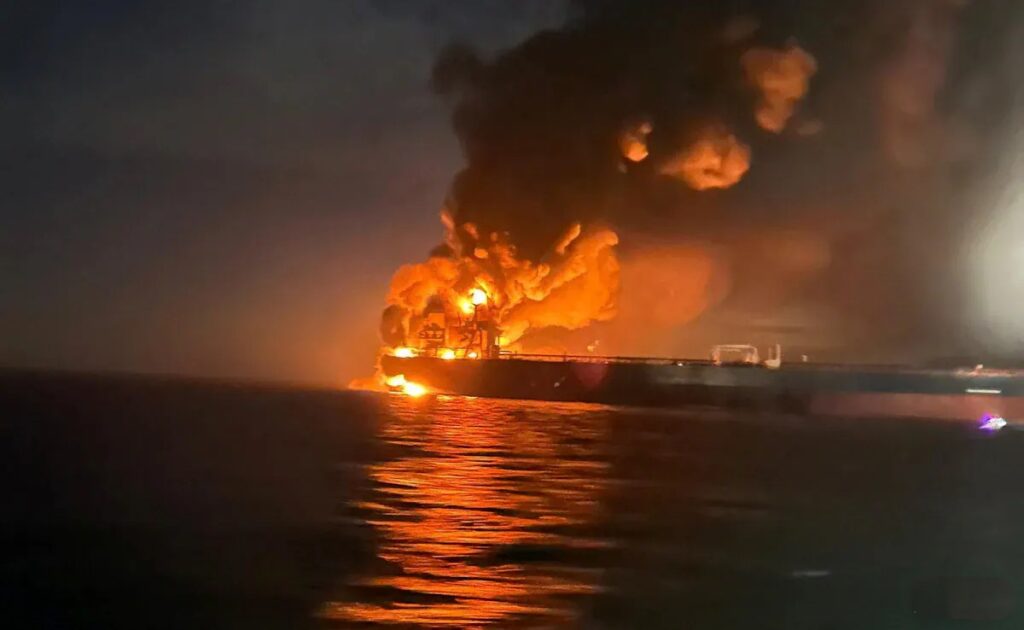
An ordinary day at sea turned into a scene of fear and confusion when an oil tanker carrying diesel suffered four sudden external explosions near Dakar, Senegal. The vessel, tied to Russian energy operations, became the third Russia-linked tanker targeted in the past few days, raising major concerns among international maritime and security agencies. Although no injuries or deaths were reported, the incident has sparked widespread alarm, suggesting a dangerous escalation in global shipping risks.
The Oil Tanker was traveling along a routine and generally safe shipping corridor when the blasts erupted in quick succession. Early investigations confirm the explosions came from outside the vessel, meaning they were not caused by a mechanical failure, fuel leak, or internal fire. This detail alone has shifted the incident from a technical mishap to a possible deliberate attack, and experts are treating it as a major red flag for global maritime security.
A Chain of Attacks Creating a Global Pattern
This event marks the third recent strike on a vessel linked to Russia, making it difficult to rule out the possibility of a targeted campaign. Two other tankers experienced similar external impacts earlier in the week, creating a pattern that analysts cannot ignore. With rising geopolitical tensions worldwide, countries and security agencies are questioning who would have the motive and capability to carry out such coordinated attacks.
Some experts believe the Oil Tanker attacks may be tied to global disputes involving energy supplies, sanctions, and military alliances. Others think the explosions could be a signal aimed at disrupting Russian-linked shipping routes. However, with no group claiming responsibility and no clear evidence pointing to a single actor, the situation remains uncertain. This lack of clarity is adding to worldwide anxiety, especially among nations that rely heavily on stable maritime trade.
A Growing Threat in West African Waters
The waters around West Africa have long faced piracy, illegal operations, and security challenges. But the nature of these explosions suggests a level of sophistication far beyond typical pirate activity. Four nearly synchronized external blasts indicate planning, equipment, and intent — something that points toward a more organized force operating with a purpose.
Senegalese authorities responded quickly, securing the tanker and preventing any major environmental impact. Fortunately, there was no fuel leakage, which avoided what could have become a severe ecological disaster along the Senegalese coast. The crew members were safely evacuated, and the vessel remains under investigation as international experts arrive to assist.
Ripple Effects on Global Markets and Energy Security
Although the explosions did not result in casualties, the impact on the global energy market was felt immediately. Oil Tanker Oil prices saw slight upward pressure as traders reacted to the possibility of increased risk along shipping lanes. Maritime routes are the backbone of global trade, and any threat to them — even a temporary one — can trigger instability in markets already sensitive to geopolitical fluctuations.
Countries that depend on diesel imports and crude oil shipments are watching the situation closely. If the pattern of attacks continues, oil and gas companies may be forced to reroute ships, increase security budgets, or delay deliveries. This could raise shipping costs and influence global fuel prices, creating a ripple effect across industries worldwide.
Unanswered Questions Driving Global Concern
Who carried out the attack — and why?
This question remains at the heart of the investigation. Governments, maritime authorities, and intelligence agencies are working together to piece together clues from the tanker’s damaged exterior and tracking data. Satellite patterns and naval surveillance reports are also being studied to identify unusual movements in the region around the time of the incident.
Is this the start of a new phase of maritime conflict?
With three Russia-linked vessels now targeted, the fear is that this may signal a hidden conflict expanding onto international waters. The lack of accountability or communication from any group adds to the tension, leaving nations uncertain about how to respond or prepare for similar events.
A Critical Moment for Global Shipping
The Oil Tanker under attack near Dakar is more than a single event — it is a warning sign of the fragile state of global maritime security. As the world becomes increasingly interconnected and reliant on stable trade routes, any disruption can have long-lasting consequences. Whether this series of tanker explosions is part of a larger geopolitical message or a new form of covert warfare, the need for stronger maritime surveillance, international cooperation, and defensive strategies has become clearer than ever.