



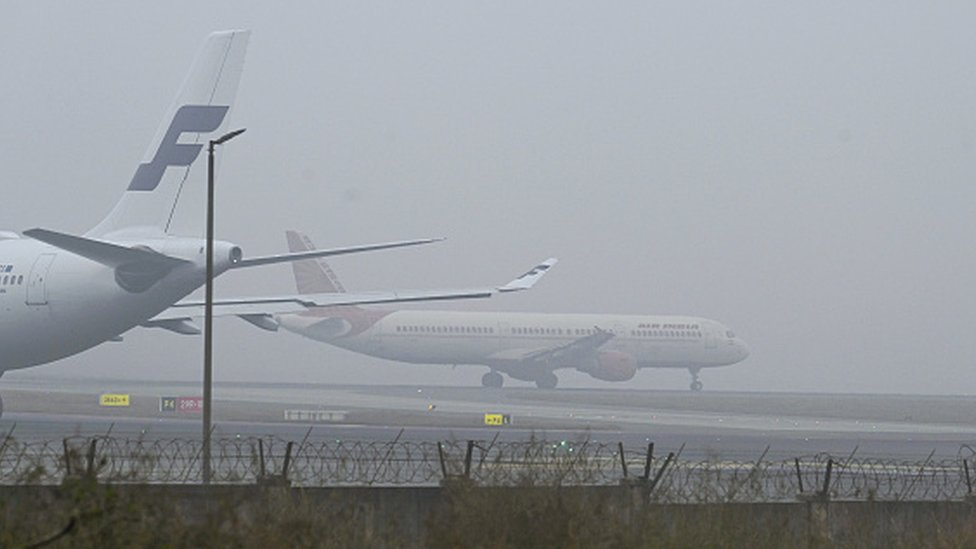
In a dramatic turn of events that disrupted thousands of passengers, Indira Gandhi International (IGI) Delhi Airport, India’s busiest aviation hub, faced massive flight delays today after a technical glitch hit the Air Traffic Control (ATC) system. The breakdown affected more than 200 flights, creating long queues, passenger frustration, and ripple effects across the country’s major airports.
⚙️ What Happened: A Critical System Failure
According Delhi Airport to the Airports Authority of India (AAI), the issue originated in the Automatic Message Switching System (AMSS) — the backbone of ATC operations that handles real-time flight plan communication and coordination between aircraft and ground control.
When the AMSS malfunctioned early Friday morning, controllers had to switch to manual operations, causing severe slowdowns in departures and arrivals.
“All departures were held temporarily while the manual system was activated,” said a senior ATC official. “Safety remained our top priority, but the impact was unavoidable.”
⏰ The Impact: Flights Grounded, Passengers Stranded
By 10 a.m., Delhi Airport departure delays at IGI averaged 45 to 60 minutes, with some exceeding two hours. Airlines including Air India, IndiGo, Vistara, and SpiceJet reported cascading delays on connecting routes to Mumbai, Bengaluru, Chennai, and Kolkata.
Scenes at Terminal 3 showed crowded boarding gates and anxious passengers. Some international flights were rerouted or rescheduled to avoid congestion in the Delhi airspace.
“It felt like chaos. We were stuck in line for hours, and no one had clear answers,” said Riya Sharma, a passenger traveling to Dubai. “Even the airline staff were struggling to get updates.”
🧠 Expert Insights: Possible Causes and Risks
While officials initially attributed the failure to a technical malfunction, investigators are exploring whether a software corruption or malware issue may have triggered the glitch.
Cybersecurity specialists note that aviation systems have become increasingly digitized, and a minor fault or cyber vulnerability can cause massive operational breakdowns.
“Even a small data sync error can disrupt coordination between radar, flight plans, and control towers,” explained aviation expert Captain A. K. Taneja. “This incident is a wake-up call for India’s rapidly expanding aviation network.”
🌍 Nationwide Ripple Effect
TheDelhi Airport incident had a domino effect across major Indian cities. Airports in Hyderabad, Mumbai, and Bengaluru reported subsequent delays due to aircraft rotations. With Delhi Airport handling nearly 1,200 daily movements, any disturbance at IGI reverberates across the country’s flight grid.
The Directorate General of Civil Aviation (DGCA) has ordered a detailed report on the incident and instructed airlines to prioritize stranded passengers and issue refunds where applicable.
🧩 What Authorities Are Doing Now
- ATC operations have been partially restored using backup systems.
- A technical audit of the AMSS and other IT infrastructure is underway.
- Cyber Forensic teams are reviewing system logs to rule out any external interference.
- The Ministry of Civil Aviation has sought recommendations to improve resilience and prevent future breakdowns.
Sources indicate that full restoration of automated operations may take 24 to 36 hours, though manual controls are currently keeping flights operational under strict oversight.
✈️ Broader Implications for India’s Aviation Network
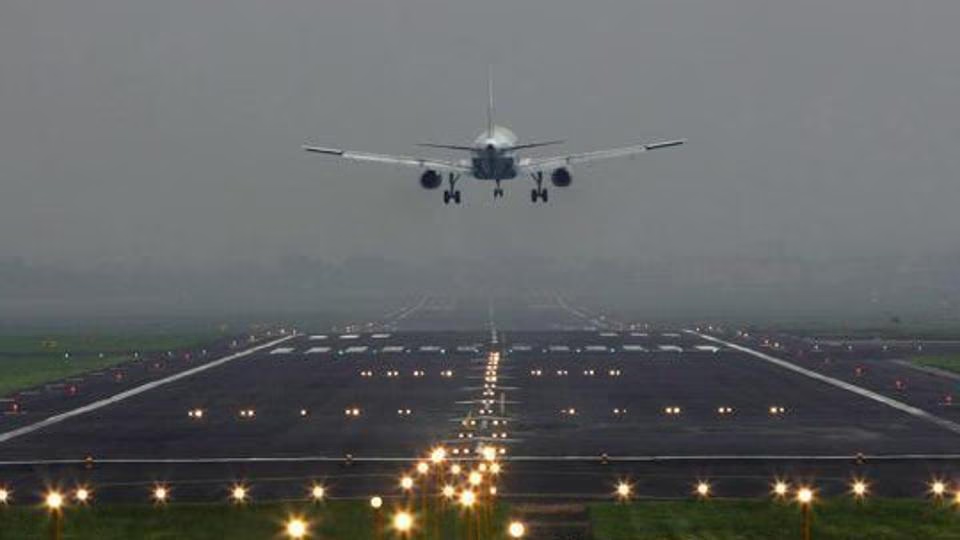
India’s aviation traffic is soaring, with record growth in domestic and international passengers. However, today’s glitch exposes vulnerabilities in air traffic management infrastructure.
Experts have long warned that India needs to upgrade its digital safety protocols, invest in redundant backup systems, and train ATC staff for crisis handling in the event of system failures.
“We’ve seen weather, congestion, and strikes cause delays — but when tech fails, the entire network freezes,” said industry analyst Rohit Kumar. “This shows how dependent modern aviation is on seamless digital systems.”
🙏 The Human Side of the Disruption
While airlines scrambled to rebook flights, many passengers were left waiting for hours with little information. Some took to social media, posting videos of long queues and expressing frustration over communication lapses.
Despite the inconvenience, most travelers acknowledged the ATC team’s calm handling of an unexpected and high-stress situation.
“They prioritized safety, and that’s what matters,” said business traveler Amit Mehta. “Delays are temporary — safety is not.”
🧭 Looking Ahead
As operations slowly normalize, this event is a reminder that technology — while powerful — must always have human-ready fail-safes. The Delhi Airport glitch could push India to modernize its ATC systems, enhance cybersecurity, and adopt AI-driven redundancy protocols already in use in other global hubs.
The skies will soon clear again, but the lessons from today’s disruption could shape the next phase of India’s aviation modernization journey.