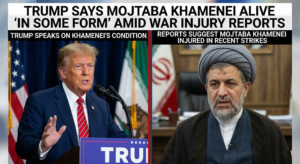
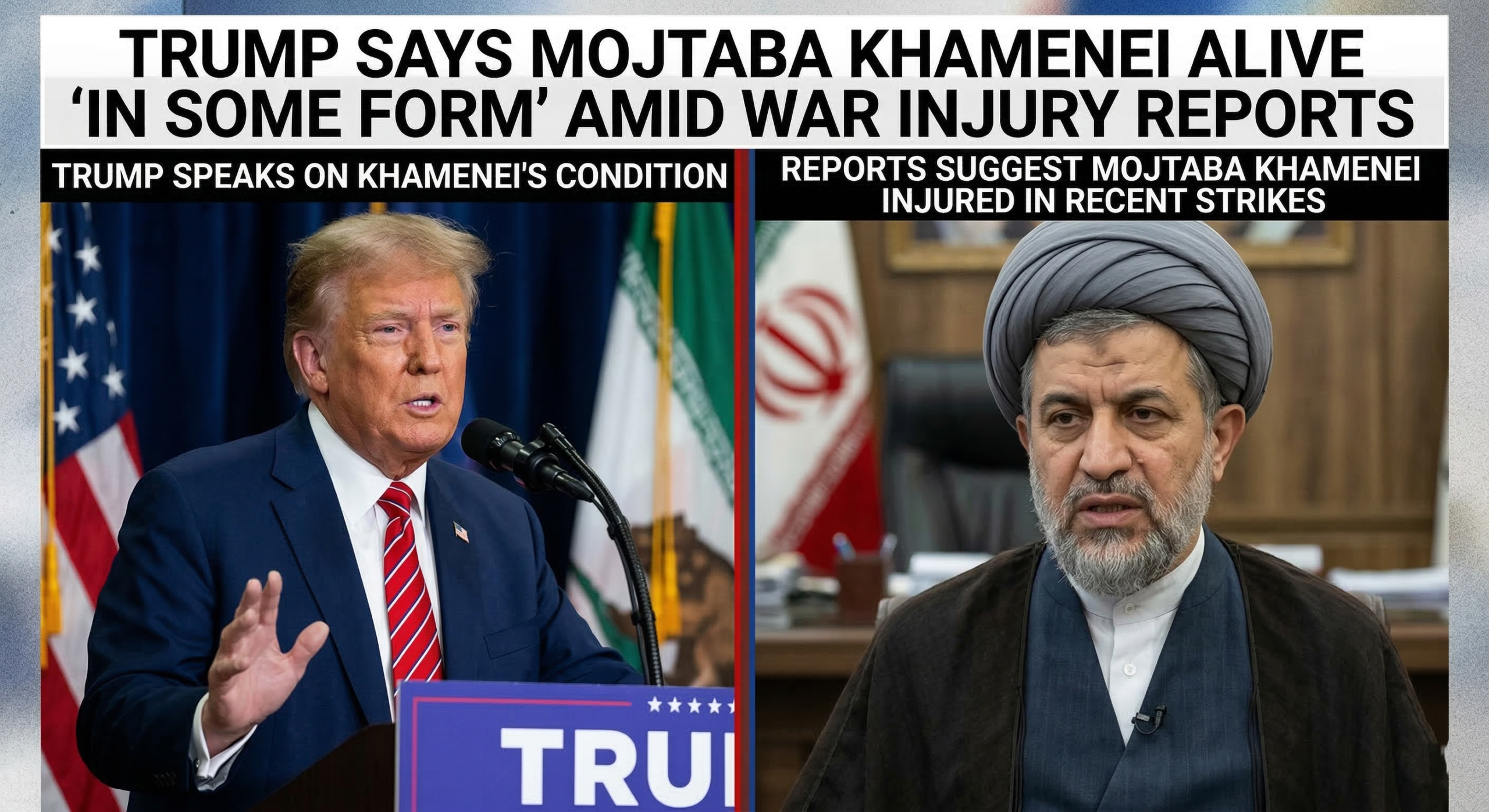
Fresh uncertainty is surrounding Iran’s leadership after US President Donald Trump said he believes Mojtaba Khamenei is alive “in some form,” even as questions continue over reports that he was injured during the ongoing war. The statement has quickly become a major talking point because it adds to the mystery around the condition of Iran’s newly appointed supreme leader at a time when the region is already under severe pressure. Reuters reported on March 13 that Trump said Mojtaba appears to be alive but “damaged,” while Iranian-linked accounts have continued to insist that he remains active.
The timing of Trump’s remark is important. Iran’s power structure is being watched closely after Mojtaba Khamenei took over following the killing of his father, Ayatollah Ali Khamenei, in the opening phase of the current war. Since then, there has been no fully clear public reappearance by Mojtaba himself, which has only fueled speculation. Reuters has reported that an Iranian official said he was lightly injured early in the conflict but still active, though competing reports have suggested his condition may be more serious than Iranian authorities are willing to admit publicly.
That is why Trump’s wording has drawn such wide attention. By saying Mojtaba Khamenei is alive “in some form,” Trump did not offer a clean confirmation. Instead, he used a phrase that leaves room for doubt while still signaling that Washington believes the Iranian leader survived whatever happened. His added description that Mojtaba is “damaged” makes the situation sound even more uncertain. In diplomatic and military terms, remarks like this matter because they can influence public perception, political messaging, and even how rivals calculate their next move.
Why Mojtaba Khamenei’s Condition Matters
In a war, the physical condition of a country’s top leader can have consequences far beyond symbolism. In Iran’s case, supreme leadership is not just ceremonial. It is tied to military command, ideological authority, and the state’s image of continuity. If Mojtaba Khamenei is alive but injured, Tehran will likely try to project stability and control. If he is more seriously wounded than officially acknowledged, that could deepen questions about who is truly directing Iran’s next decisions.
This is especially important because Reuters has also reported that Mojtaba’s first messages after taking office were not delivered through a direct public appearance. Instead, statements were carried by media channels, which intensified rumors about his health and whereabouts. When a leader is unseen during wartime, every public comment, leak, and foreign statement becomes more significant.
War Tensions Keep Rising
The broader conflict makes the issue even more sensitive. Reuters reported that the current war began on February 28 and has already caused major casualties, severe military strikes, and rising fears across the region. Mojtaba Khamenei has also been linked to strong rhetoric about continuing the fight and maintaining pressure around the Strait of Hormuz, one of the world’s most critical oil shipping routes. That means uncertainty around his condition is not just about one person’s health. It is about whether Iran’s leadership remains fully functional as the conflict continues to escalate.
There is also growing concern that unclear leadership in Tehran could increase the risk of miscalculation. If foreign governments believe Iran’s command system is weakened, they may test limits more aggressively. If Iranian officials feel pressure to prove strength, they may respond with harder rhetoric or tougher military moves. In that kind of atmosphere, even a vague sentence from Trump can become international news because it may hint at intelligence assessments, political signaling, or both.
A Fog of War Story
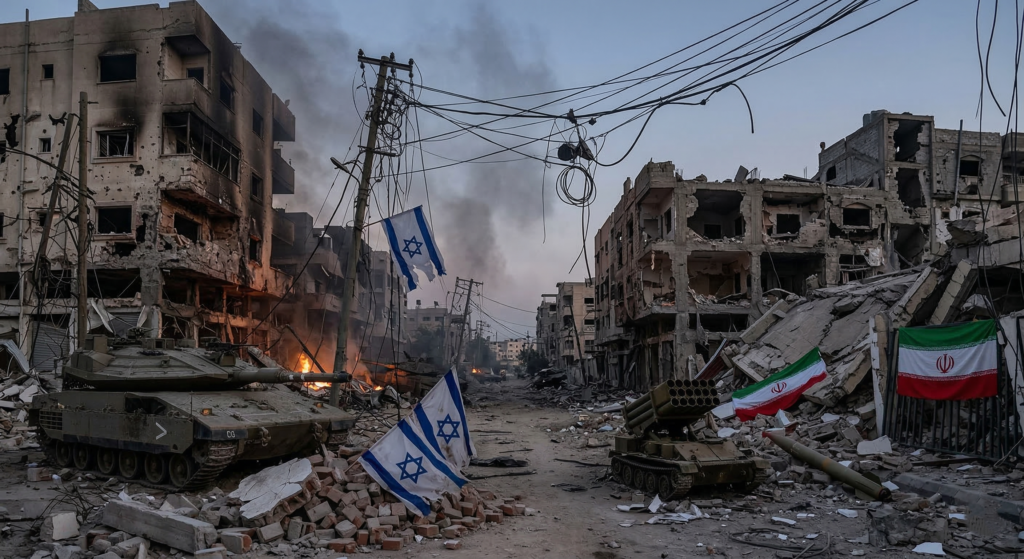
What makes this story so powerful is that it reflects the fog of war. At the moment, there is no fully independent public proof that settles Mojtaba Khamenei’s exact condition beyond dispute. Iranian officials say he was lightly injured and remains active. Trump says he is alive but “damaged.” Other reports continue to suggest heavier injuries. Until there is a direct and unmistakable public appearance, these questions are likely to remain part of the global conversation.
For readers trying to understand the bigger picture, the key point is simple: the uncertainty itself has become part of the news. Leadership doubts during wartime can shape diplomacy, markets, regional security, and public fear. Trump’s latest remark did not end the speculation. In many ways, it made the story even bigger.
Final Take
Trump’s statement that Mojtaba Khamenei is alive “in some form” has placed renewed focus on one of the biggest unanswered questions in the Iran war. Is Iran’s new supreme leader operating normally, recovering from injury, or being shielded from public view because his condition is worse than officials admit? Right now, the world does not have a complete answer. What it does have is a fast-moving geopolitical story where uncertainty is driving headlines just as much as confirmed facts.