


For decades, the Tata Group has been synonymous with trust, integrity, and nation-building. From salt to software, from steel to satellites — the Tata name has symbolized ethical capitalism in India.
But in recent weeks, the calm veneer has begun to crack. A quiet power struggle is reportedly unfolding within the upper echelons of the Tata Group empire, raising serious questions about corporate governance, internal transparency, and the future direction of one of India’s most iconic conglomerates.
The Spark Behind the Storm
According to a detailed Reuters investigation, friction has intensified inside the boardrooms of Tata Group — the charitable body that controls about 66% of Tata Sons, the holding company of the group. The tension reportedly centers on governance structures, key appointments, and the extent of government involvement in internal decisions.
At the heart of the debate lies an old and complicated relationship between Tata Sons and the Shapoorji Pallonji Group (SP Group), the minority shareholder that owns about 18% of the company. The two sides have been locked in legal and strategic disputes for years, ever since the 2016 ouster of Cyrus Mistry as chairman of Tata Sons — an event that shook the corporate world and raised uncomfortable questions about the balance of power within the group.
Now, insiders say that the group is once again struggling to define its internal authority, with concerns that bureaucratic influence could alter the independence of the Tata Trusts, which hold the moral and financial backbone of the group’s sprawling empire.
Government Oversight or Overreach?
Reports suggest that certain senior government officials have taken interest in the internal affairs of Tata Group, particularly regarding proposed changes in governance norms. While the government’s stance is that it wants to ensure transparency and compliance with charitable trust laws, critics warn that such oversight risks blurring the line between public accountability and political interference.
A senior corporate analyst told Reuters, “Tata has always been seen as a benchmark of corporate ethics. Any perception that its independence is being compromised — whether by internal politics or external pressure — could hurt investor confidence and the brand’s moral authority.”
A Delicate Legacy at Stake
The Tata Group legacy is not just about business; it’s about values. Founded in 1868 by Jamsetji Tata, the group was built on the principles of social good and ethical progress — long before “corporate social responsibility” became a buzzword. Its companies — including Tata Steel, Tata Motors, Tata Consultancy Services (TCS), and Titan — employ over 935,000 people globally and contribute heavily to India’s GDP and philanthropy ecosystem.
Any instability in such a conglomerate has wide implications. Shareholders, global partners, and employees alike watch closely as leadership debates governance norms that could redefine control and accountability within Tata Sons.
“The world sees Tata Group as India’s corporate conscience,” says Professor S. N. Iyer of IIM-Bangalore. “That’s why even small tremors inside the group attract outsized attention. The concern isn’t about financial mismanagement — it’s about moral clarity.”
A Moment for Reflection and Renewal
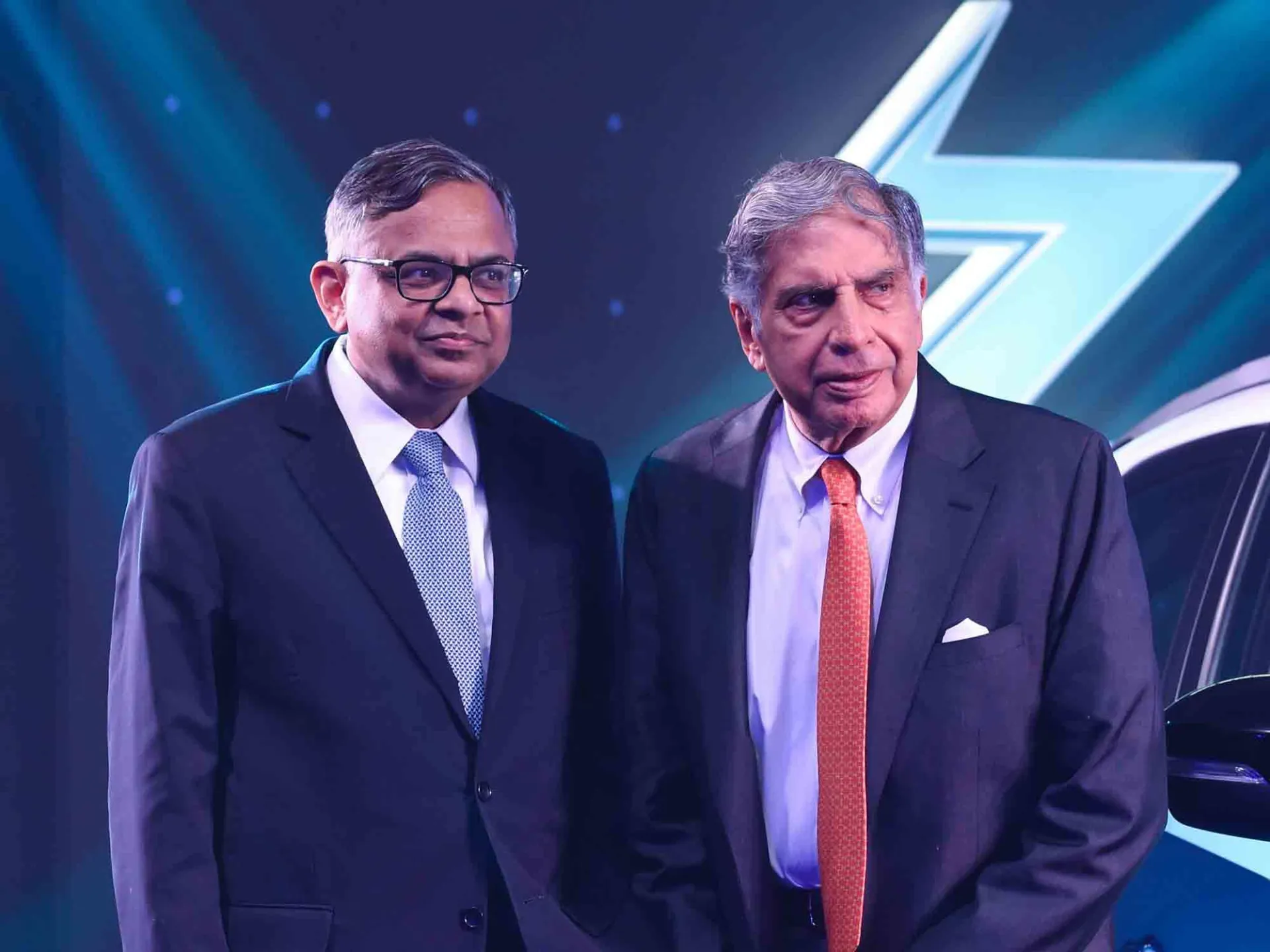
Insiders hint that N. Chandrasekaran, the current chairman of Tata Sons, is working to maintain equilibrium — emphasizing performance, discipline, and digital transformation across subsidiaries while keeping a respectful distance from the Trusts’ affairs. However, balancing legacy philanthropy with modern corporate demands remains a delicate act.
The Tata leadership is expected to review internal structures in the coming months, possibly redefining the roles of trustees and board members to ensure smoother governance and legal alignment. Industry observers believe this could ultimately strengthen the organization, provided reforms remain transparent and free from external pressure.
What Lies Ahead
The Tata Group has weathered many storms — colonial transitions, global recessions, and boardroom battles. But this latest episode strikes at its identity more than its balance sheet. It is not about profits or losses; it’s about preserving the moral architecture of India’s most respected business house.
As one senior executive aptly put it, “Tata is more than a company — it’s a covenant with India’s conscience. The way it resolves this crisis will show whether that covenant still holds strong.”