
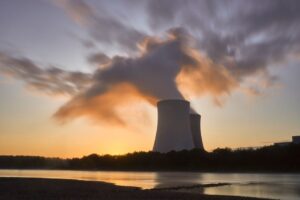

Japan’s nuclear regulator has ordered the suspension of operational activities at the Kashiwazaki-Kariwa nuclear power plant in Niigata Prefecture, owned by Tokyo Electric Power Company (TEPCO). This significant directive comes just hours after the facility embarked on a preliminary operational step, marking a severe setback for the world’s largest nuclear plant and TEPCO’s efforts to regain trust after a series of safety and security breaches. The Nuclear Regulation Authority (NRA) cited a persistent lack of robust safety culture and inadequate security measures as the primary reasons for the immediate halt.
Background: A Troubled History and Post-Fukushima Scrutiny
The Kashiwazaki-Kariwa nuclear power plant, with its seven reactors and a combined capacity of 8,212 megawatts, stands as the world’s largest by net electrical power. Operated by TEPCO, the same company responsible for the Fukushima Daiichi disaster, the plant has been largely offline since 2011, navigating a complex landscape of heightened safety standards and public skepticism.
The Shadow of Fukushima Daiichi
The catastrophic triple meltdown at TEPCO’s Fukushima Daiichi plant in March 2011, triggered by a massive earthquake and tsunami, fundamentally reshaped Japan’s energy policy and its approach to nuclear safety. All of Japan’s commercial nuclear reactors were progressively shut down for comprehensive safety checks and upgrades. The disaster led to the creation of the Nuclear Regulation Authority (NRA) in 2012, an independent body tasked with establishing and enforcing some of the world’s strictest nuclear safety standards. For any reactor to restart, it must first obtain NRA approval, a process that has proven lengthy and challenging.
Kashiwazaki-Kariwa’s Pre-Fukushima Woes
Even before Fukushima, Kashiwazaki-Kariwa had a history of operational challenges. In 2007, a powerful earthquake, the Chuetsu Offshore Earthquake, struck the region, causing damage to the plant, including a transformer fire, radioactive water spills, and structural issues. Although no significant radiation leaks were reported, the incident exposed deficiencies in TEPCO’s emergency response and led to an extended shutdown of all units for repairs and safety upgrades. This event foreshadowed the deeper systemic issues that would later come to light.
Post-Fukushima Restart Efforts and Setbacks
Following Fukushima, TEPCO initiated the process to seek restart approval for Kashiwazaki-Kariwa, focusing initially on Units 6 and 7, which were deemed to have the most advanced safety features. In 2013, TEPCO applied for NRA review. The NRA granted basic safety approval for Units 6 and 7 in 2017, acknowledging that the physical modifications met new safety standards. A final safety approval for these units was issued in 2020, clearing a major hurdle towards a potential restart.
However, TEPCO’s track record continued to plague the plant. In April 2021, the NRA issued a severe order, effectively banning TEPCO from operating Kashiwazaki-Kariwa due to a series of critical security lapses. These included unauthorized entry by an employee using another’s ID card, and failures in anti-terrorism equipment, such as intrusion detection systems that were found to be non-functional for extended periods. The NRA concluded that TEPCO’s security measures were “in a state of continuous violation of regulations” and that the company lacked the fundamental ability to protect nuclear materials. This ban represented a profound loss of trust from the regulator.
The Path to a Brief “Restart”
For over two years, TEPCO worked to address the NRA’s concerns, implementing extensive security upgrades, overhauling its internal management structures, and retraining staff. The company faced immense pressure to demonstrate a fundamental shift in its safety culture and operational integrity.
In December 2023, after a rigorous review of TEPCO’s corrective actions, the NRA provisionally lifted the operational ban. This decision was contingent on TEPCO maintaining its improved security measures and demonstrating sustained cultural change. The lifting of the ban was seen as a crucial, albeit cautious, step towards bringing the plant back online. It allowed TEPCO to resume preparatory work, including system checks, equipment testing, and potentially, initial fuel loading activities, which could be interpreted as a “restart” of the operational process.
Key Developments: The Immediate Suspension
The recent suspension order by the NRA arrived swiftly, just as TEPCO had reportedly commenced initial operational activities following the lifting of the 2023 ban. This rapid regulatory intervention underscores the continued vigilance of the NRA and its low tolerance for any perceived backsliding on safety and security.
The Preliminary Operational Step
While details of the specific “restart” activity remain somewhat general, it is understood that TEPCO had begun a critical phase of operational readiness. This likely involved activating key systems within one of the approved reactors (most likely Unit 7, which was furthest along in the restart process), conducting comprehensive functional tests, or even initiating the process of loading nuclear fuel into the reactor core. Such steps are standard precursors to a full commercial restart and require meticulous adherence to safety protocols. This move, however brief, represented TEPCO’s first tangible step towards operation since the 2021 ban.
NRA’s Swift Intervention
The Nuclear Regulation Authority, having closely monitored TEPCO’s progress since lifting the ban, acted decisively. The suspension order was not merely a warning but a direct command to cease all operational preparations immediately. This rapid response indicates that the NRA identified new or persistent deficiencies during its ongoing oversight, or during TEPCO’s initial operational step itself. The regulatory body emphasized its commitment to public safety and its zero-tolerance policy for any compromise in nuclear security.
Specific Reasons for the Latest Suspension
While the precise triggers for the “hours after restart” suspension are still being fully elaborated, the NRA’s statements consistently point to a fundamental issue: TEPCO’s enduring struggle to foster a robust and ingrained safety culture. The regulator expressed a continued lack of confidence in TEPCO’s ability to consistently implement and maintain the necessary security and operational protocols.
Persistent Security Deficiencies
Despite the extensive upgrades and retraining following the 2021 ban, the NRA reportedly found evidence of lingering security vulnerabilities. These could range from procedural lapses during the recent operational step to inadequacies in the physical protection systems or the training of security personnel. The regulator’s primary concern remains the effective protection of nuclear materials and prevention of unauthorized access, critical elements for anti-terrorism measures.
Inadequate Safety Culture
The overarching concern for the NRA is TEPCO’s “safety culture.” This term encompasses an organization’s collective commitment to safety, from top management to frontline workers. It includes the willingness to report errors, learn from mistakes, prioritize safety over production, and maintain a questioning attitude. The NRA’s decision suggests that TEPCO has not yet demonstrated a profound and irreversible transformation in this critical area, leading to continued operational risks. Failures in internal communication, insufficient oversight, or a lack of accountability may have been cited as contributing factors.
Failure to Meet Conditions
The lifting of the 2023 ban came with strict conditions for TEPCO. The current suspension implies that TEPCO failed to meet these conditions during its preliminary operational phase. This could involve discrepancies in documentation, operational errors during testing, or a failure to demonstrate sustained improvements in personnel training and adherence to new protocols. The NRA likely found that TEPCO’s readiness was not as robust as required, necessitating an immediate halt to prevent potential risks.
TEPCO’s Response
In the wake of the suspension, TEPCO acknowledged the NRA’s directive, expressing deep regret for the renewed setback. The company’s leadership issued public apologies, vowing to thoroughly investigate the issues identified by the regulator and implement comprehensive corrective measures. TEPCO emphasized its commitment to prioritizing safety and regaining the trust of the local community and the nation. However, this repeated cycle of promises and subsequent regulatory action continues to erode public confidence.
Impact: Far-Reaching Consequences
The suspension of Kashiwazaki-Kariwa carries significant implications, affecting TEPCO, Japan’s energy landscape, local communities, and the broader national nuclear policy.
Financial and Reputational Blow to TEPCO
For TEPCO, the immediate suspension represents another substantial financial and reputational blow. The company continues to incur immense costs for maintaining the dormant plant, including staff salaries, security, and ongoing upgrades, without any revenue generation from its operation. The prolonged delays further strain TEPCO’s finances, already burdened by the massive compensation and decommissioning costs associated with Fukushima Daiichi. Each regulatory setback deepens the public’s distrust, making it even harder for TEPCO to secure the necessary political and social license to operate. The company’s stock value often reacts negatively to such news, reflecting investor apprehension.
Japan’s Energy Mix and Climate Goals
The continued offline status of Kashiwazaki-Kariwa has significant repercussions for Japan’s energy security and its climate change commitments. Japan, a resource-poor nation, heavily relies on imported fossil fuels (coal, oil, and natural gas) for electricity generation, especially since most of its nuclear fleet remains offline.
Increased Reliance on Fossil Fuels
With nuclear power operating at a fraction of its pre-Fukushima capacity, Japan’s energy mix is heavily skewed towards fossil fuels. This increases the nation’s vulnerability to volatile global energy markets and geopolitical events that can disrupt supply or inflate prices. The absence of Kashiwazaki-Kariwa’s massive generating capacity means more fossil fuels must be burned, contributing to higher carbon emissions.
Challenges to Decarbonization
The government of Prime Minister Fumio Kishida has publicly advocated for restarting nuclear plants to stabilize energy supply and meet ambitious decarbonization targets. The suspension of Kashiwazaki-Kariwa directly undermines these goals. Without nuclear power, Japan faces an uphill battle to reduce its greenhouse gas emissions and transition to a cleaner energy economy, potentially forcing a re-evaluation of its energy strategy and timelines.
Impact on Local Communities
The residents of Niigata Prefecture, particularly those living near the Kashiwazaki-Kariwa plant, are profoundly affected.
Continued Uncertainty and Safety Concerns
The repeated delays and safety lapses fuel anxiety and uncertainty among the local population. Many residents remain deeply concerned about the safety of nuclear power, especially given TEPCO’s history. The “hours after restart” suspension reinforces their fears, making it difficult for the company to secure the local consent (which is not legally binding but politically essential) required for a full restart.
Economic Implications
The plant is a significant employer in the region. While TEPCO continues to employ staff for maintenance and security, the absence of full operations limits job growth and economic benefits that a functioning plant might bring. Local municipalities also rely on tax revenues and subsidies linked to the plant’s operation, which remain uncertain.
National Nuclear Policy and Public Opinion
The incident casts a shadow over Japan’s broader nuclear energy policy. Pro-nuclear advocates within the government and industry see nuclear power as indispensable for energy security and climate goals. However, each setback at Kashiwazaki-Kariwa reinforces public skepticism and strengthens the hand of anti-nuclear movements. Public trust in nuclear power, severely damaged by Fukushima, has been slow to recover, and incidents like this further erode it. The government faces a delicate balancing act between its energy policy objectives and the imperative of public safety and trust.
What Next: A Long Road Ahead
The immediate suspension marks the beginning of yet another extended period of intense scrutiny and remedial action for TEPCO. The path to any future restart for Kashiwazaki-Kariwa remains highly uncertain and will be contingent on the company demonstrating a fundamental and irreversible transformation.
TEPCO’s Immediate Actions
TEPCO’s immediate priority will be to conduct a thorough internal investigation into the specific issues that triggered the NRA’s latest suspension. This will involve:
Detailed Root Cause Analysis: Identifying the underlying systemic failures, whether in security protocols, operational procedures, training, or management oversight, that led to the recent regulatory action.
* Corrective Action Plan Development: Formulating a comprehensive plan outlining specific measures to address each identified deficiency. This will likely include further security upgrades, enhanced training programs for all personnel (including management), revised operational procedures, and stricter internal auditing mechanisms.
* Submission of Reports to NRA: TEPCO must submit detailed reports of its findings and proposed corrective actions to the NRA for review and approval. This process is typically iterative, with the NRA often requiring revisions and further justifications.
* Rebuilding Local Trust: Engaging in renewed dialogue with the Niigata prefectural government and local communities to explain the latest issues, apologize, and outline concrete steps to prevent recurrence.
NRA’s Continued Oversight
The Nuclear Regulation Authority will maintain its rigorous oversight of Kashiwazaki-Kariwa. Its role will include:
Intensive Inspections: Conducting frequent and unannounced inspections to verify the implementation and effectiveness of TEPCO’s corrective actions.
* Review of Corrective Measures: Critically assessing TEPCO’s plans and their execution, ensuring they meet the highest safety and security standards. The NRA’s approval is paramount for any future operational steps.
* Enforcement of Regulations: The NRA has demonstrated its willingness to impose strict penalties, including extended bans, if TEPCO fails to meet regulatory requirements. The current suspension serves as a powerful reminder of this authority.
Timeline for Potential Restart: Indefinite Delays
Given the latest developments, the timeline for a potential restart of Kashiwazaki-Kariwa has been pushed back indefinitely. There is no clear schedule, and any resumption of operational activities will depend entirely on TEPCO’s ability to demonstrate sustained improvements in its safety culture and operational integrity to the full satisfaction of the NRA. This process could take many months, if not years, given the deep-seated nature of the issues repeatedly identified.
Political Implications and Energy Policy Debate
The suspension will undoubtedly reignite the national debate over Japan’s nuclear energy policy. The Kishida administration’s push for nuclear restarts faces renewed scrutiny. While the government maintains that nuclear power is essential for energy security and decarbonization, the repeated failures at Kashiwazaki-Kariwa make it politically challenging to gain public acceptance for these restarts. The incident could lead to calls for even stricter regulatory oversight across the entire nuclear fleet and a re-evaluation of the pace at which other reactors are brought back online.
Ultimately, the suspension of Kashiwazaki-Kariwa underscores the enduring challenges of nuclear power in post-Fukushima Japan. For TEPCO, it is a stark reminder that regaining trust and achieving operational readiness requires not just technical fixes, but a profound and lasting transformation of its organizational culture. The world’s largest nuclear plant remains in limbo, a symbol of the complex interplay between energy needs, public safety, and regulatory rigor.