



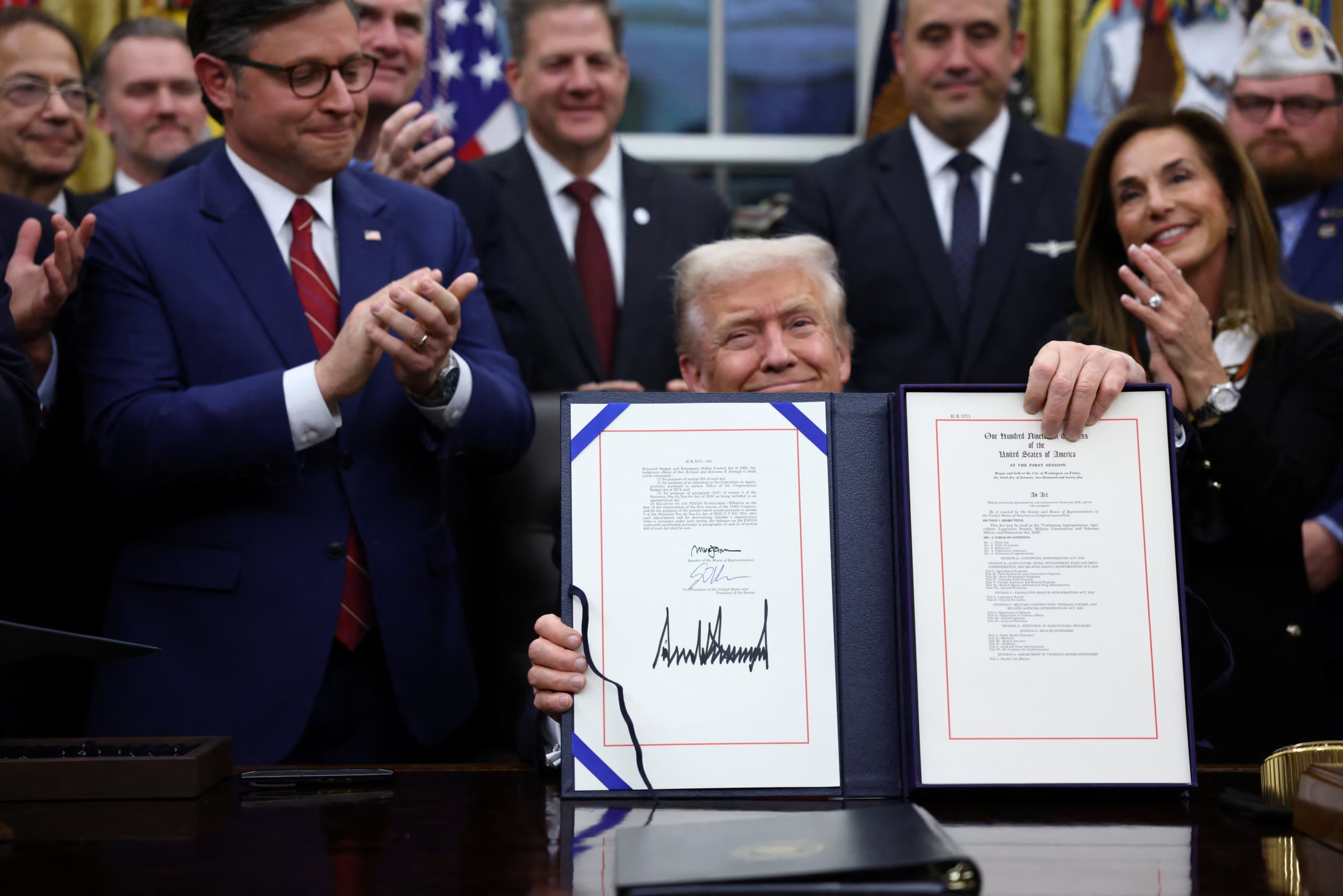
Washington, D.C., Nov 14, 2025 — The United States has finally emerged from the longest government Shutdown Ends in its history, a bruising 43-day standoff that crippled federal operations, strained millions of American families and sent the political climate in Washington into a deeper storm. Late Thursday night, President Donald Trump signed a temporary spending bill passed by Congress, officially reopening the government and allowing federal agencies to resume work after weeks of paralysis.
The relief was immediate — but so was the realization that this is only a short break before another potential crisis. The funding deal extends only until January 2026, setting the stage for another fierce showdown unless a broader agreement is reached.
A Shutdown That Stopped the Country in Its Tracks
Over the last month and a half, the Shutdown Ends became more than a political disagreement — it became a national disruption.
Hundreds of thousands of federal workers missed paychecks, forcing many to borrow money, delay bill payments, or take temporary jobs just to stay afloat. Families depending on government programs struggled with delays, while essential services ran on thin staffing or shut down entirely.
Critical sectors were hit hard:
- Air travel saw growing delays as TSA and FAA staff shortages worsened.
- Small businesses faced stalled loan approvals from the Small Business Administration, cutting off vital funding pipelines.
- National parks suffered from lack of maintenance, with several reporting damage and overcrowding due to reduced oversight.
- Scientific research in federally funded labs paused, jeopardizing ongoing studies and medical trials.
- Public health programs slowed vaccine distribution tracking, regional health inspections, and field monitoring.
Economists estimate that the shutdown caused billions of dollars in productivity losses, with ripple effects that could still stretch into early 2026.
Federal Workers Set to Receive Back Pay — but the Pain Remains
The reopening means federal employees will receive their delayed pay next week, offering huge emotional and financial relief to families who have spent more than a month in limbo.
Still, unions and worker groups argue that such repeated shutdowns have eroded morale and shaken the stability of government employment.
For many, the uncertainty of whether their next paycheck will arrive — or whether the government will Shutdown Ends again after January — continues to hang heavy.
How the Deal Finally Came Together
The breakthrough came after days of pressure from business groups, federal unions, state governments, and even some voices within the Republican Party who warned that the shutdown was starting to backfire politically.
Congressional leaders met in a series of late-night sessions, eventually agreeing to a temporary patch that funds federal operations while deferring the bigger disputes.
The disagreements remain deep:
- The White House continues to demand a tougher border enforcement package.
- Democrats have refused major changes to social spending and healthcare programs.
- Fiscal conservatives want deeper federal budget cuts.
With none of the core disagreements resolved, the bill became a “reset button” rather than a real solution.
A Nation Relief — and Worry — At the Same Time
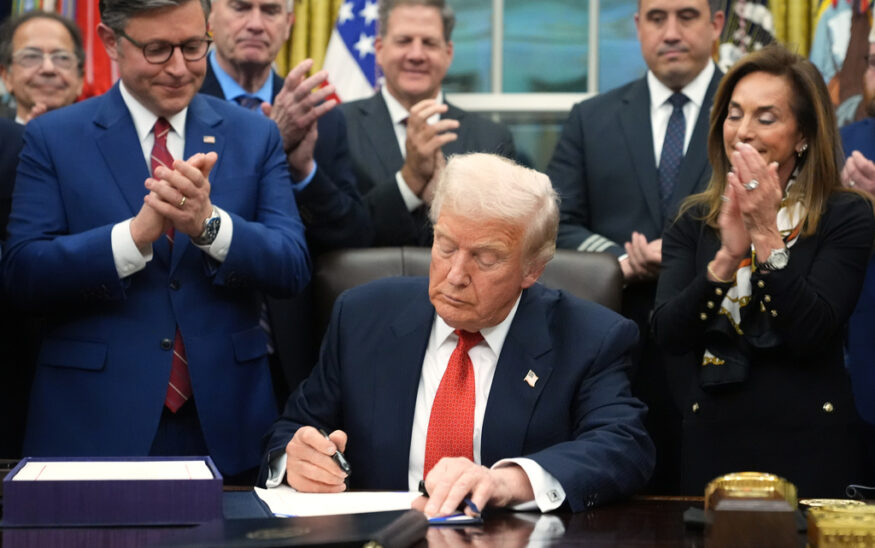
Across the country, relief was visible. Airports reported smoother operations, federal websites resumed updates, and government buildings that had been dark for over a month reopened their doors.
But for many Americans, the reopening comes with a new kind of anxiety:
Will the government Shutdown Ends again in less than two months?
Small businesses worry about more disruptions.
Federal contractors fear contract delays will hurt their revenue.
Families relying on programs like SNAP, Medicaid and housing assistance are concerned about future interruptions.
The shutdown exposed how deeply intertwined federal operations are with everyday American life — far beyond Washington politics.
Global Reactions and Economic Ripples
International markets reacted with cautious optimism. Asian and European indices saw mild rises after the announcement, signaling relief but also skepticism.
Global investors remain wary because Washington has shown increasing instability in budget negotiations, and another shutdown in early 2026 could shake global markets, complicate trade negotiations, and weaken U.S. confidence abroad.
Foreign governments, too, expressed relief — especially those currently engaged in trade talks with the U.S. But many also emphasized that America’s political volatility has become a growing concern on the world stage.
What Happens Next?
The real battle now shifts to December, when lawmakers must negotiate a full-year budget.
Without compromise, the nation risks being thrust back into shutdown just as the new year begins.
Many analysts believe that the next round of talks could be even more intense, with election-year politics adding fuel to the fire. For now, Americans are simply grateful to see their government back at work — even as they brace for what January might bring.