


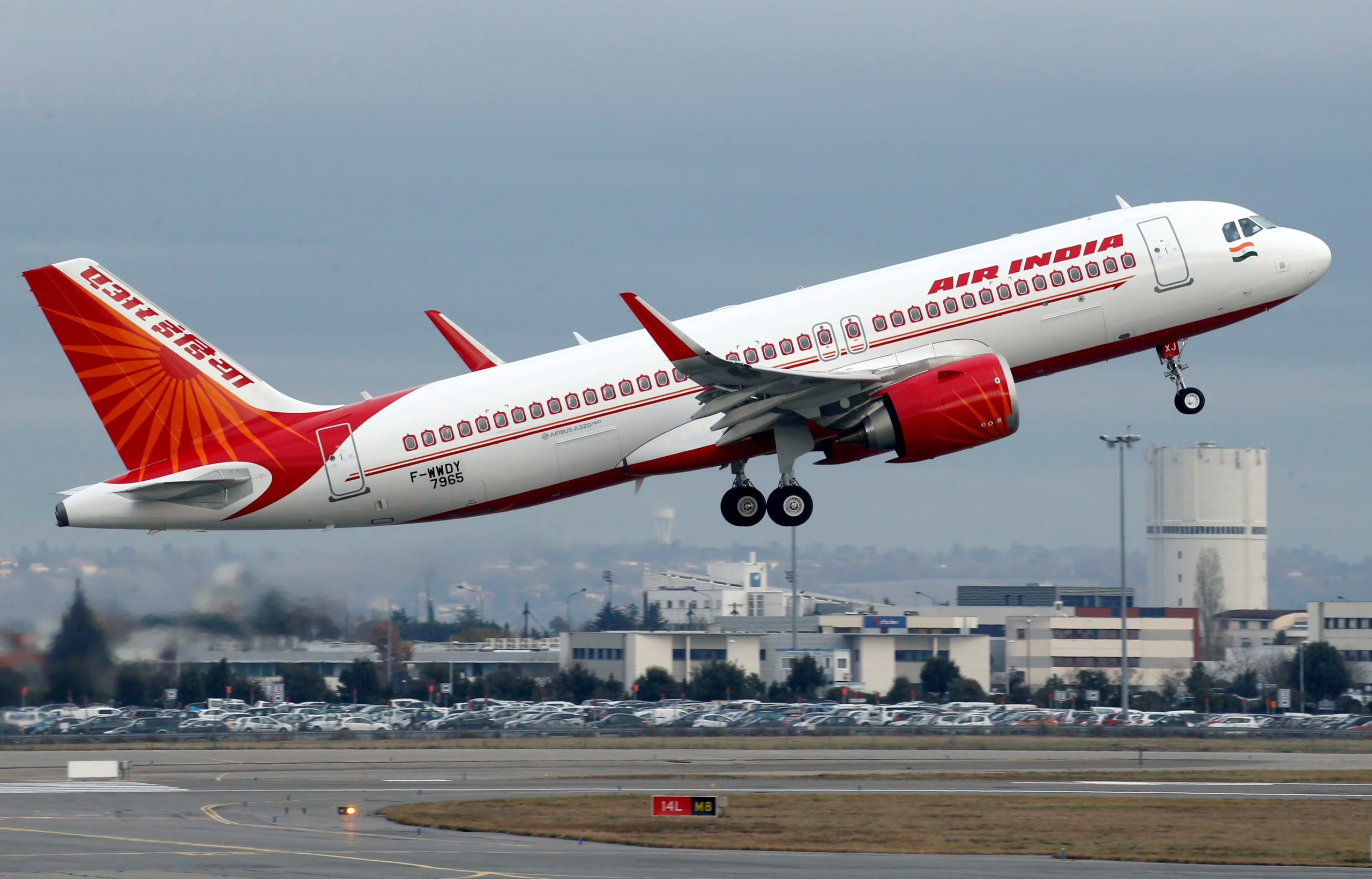
In a major financial development that underscores the challenges of reviving India’s flagship carrier, Air India has reportedly sought a substantial infusion of ₹100 billion (approximately US $1.14 billion) from its joint owners — Tata Sons and Singapore Airlines. The funds are aimed at modernizing the airline’s operations, upgrading systems, and enhancing passenger experience as part of its ongoing turnaround plan.
This move comes at a crucial time when Air India is under immense pressure to maintain its growth trajectory amid rising operational costs, intense global competition, and the lingering impact of recent disruptions. Despite its ambitious restructuring program launched after Tata Group’s acquisition, the airline continues to grapple with systemic inefficiencies inherited from its state-owned era.
Why Air India Needs This Lifeline
Since Tata Group regained control of Air India in January 2022, the company has embarked on an extensive transformation plan — Project Vihaan.AI — which aims to make the airline financially viable, technologically advanced, and globally competitive. However, turning around a legacy carrier with decades of accumulated inefficiencies is no small feat.
The requested ₹100 billion lifeline is expected to strengthen Air India’s balance sheet and provide working capital for its modernization goals. A significant portion of the funds is reportedly earmarked for upgrading IT systems, fleet maintenance, improving customer service, and enhancing on-time performance — key areas where the airline has lagged behind global peers.
Additionally, the funds may support new aircraft acquisitions and the integration of Air India Express and Vistara — a complex merger that will shape the future of the Tata Group’s aviation portfolio. The integration aims to consolidate Air India’s position as a strong full-service and low-cost hybrid carrier capable of competing with global airlines.
Post-Incident Pressure and Global Context
The timing of this financial request is also crucial. In recent months, Air India has faced heightened scrutiny following operational incidents that affected its reputation. Such challenges have magnified the need for better systems, training, and infrastructure — all of which require significant capital investment.
Globally, many national and legacy carriers have undergone similar phases of financial stress and recovery. Airlines like Lufthansa, Japan Airlines, and Air France-KLM have historically relied on government or private backing to navigate turbulence. Air India’s appeal for funds thus mirrors a broader industry trend where strong capital support is key to sustainable recovery in aviation.
Tata Sons and Singapore Airlines’ Strategic Role
For Tata Sons and Singapore Airlines (SIA), this funding decision is not merely about stabilizing finances but also about reinforcing their long-term vision for Air India. Both partners have made it clear that they intend to restore the airline to its “former glory” — a global brand known for premium service and reliability.
Singapore Airlines’ participation is particularly strategic. Known for operational excellence, SIA’s management insights and technological expertise could help Air India implement modern practices in safety, maintenance, and passenger experience. The partnership also provides Air India access to global best practices in cost optimization and network planning.
The Road Ahead
If approved, the ₹100 billion infusion would mark one of the largest private investments in India’s aviation sector in recent years. It signals the Tata Group’s deep commitment to reviving Air India, not just as a commercial entity but as a symbol of national pride.
However, the success of this revival will depend on how effectively Air India deploys the funds. Financial support alone cannot ensure transformation; operational discipline, leadership stability, and cultural change within the organization are equally critical.
The aviation market in India is evolving rapidly, with rising demand for international travel and growing competition from Indigo, Akasa Air, and foreign carriers. To succeed, Air India must leverage its brand heritage while delivering modern, world-class service standards.
In india the coming months, industry observers will closely watch how Tata Sons and Singapore Airlines respond to this funding request and how the capital is utilized. One thing is certain — the stakes are high, and Air India’s revival will serve as a defining test of the Tata Group’s ability to transform a historic but struggling national carrier into a global aviation powerhouse.