


A recent directive from U.S. Immigration and Customs Enforcement (ICE) has ignited significant debate among legal scholars, civil liberties advocates, and immigrant communities across the United States. The policy, reportedly clarifying conditions under which officers may enter private residences without a judicial warrant, raises profound questions about Fourth Amendment protections and the scope of federal immigration enforcement. This development, emerging in early 2024, has prompted immediate calls for scrutiny and legal challenge.
Background: The Fourth Amendment and Home Privacy
The Fourth Amendment to the U.S. Constitution is a cornerstone of American civil liberties, guaranteeing "the right of the people to be secure in their persons, houses, papers, and effects, against unreasonable searches and seizures." For centuries, this amendment has been interpreted to mean that law enforcement generally requires a warrant, issued by a judge based on probable cause, to enter a private home. The Supreme Court affirmed this principle in cases like *Payton v. New York* (1980), establishing that absent exigent circumstances, a warrant is indispensable for nonconsensual entry into a home to make an arrest.
Historically, ICE operations involving home entry have largely adhered to these principles, relying on either a judicial warrant, consent from a resident, or clearly defined exigent circumstances, such as hot pursuit of a fleeing suspect or an immediate threat to life. Immigration enforcement, while distinct from criminal law, is still subject to constitutional constraints. Previous administrations have faced scrutiny over tactics, but the fundamental requirement for a warrant or a valid exception for home entry has remained a critical legal boundary. Experts note that immigration warrants (Form I-200 or I-205), issued by ICE itself, do not carry the same legal authority as judicial warrants signed by a neutral magistrate for entry into a private residence.
Key Developments: Redefining Entry Protocols
The controversial new ICE policy, outlined in an internal memo reportedly circulated in January 2024, aims to provide updated guidance to field agents regarding residential enforcement actions. While the full text of the directive has not been publicly released, reports indicate it emphasizes an expanded interpretation of "consent" and "exigent circumstances" that could permit entry without a judge's warrant in a broader range of scenarios than previously understood or exercised.
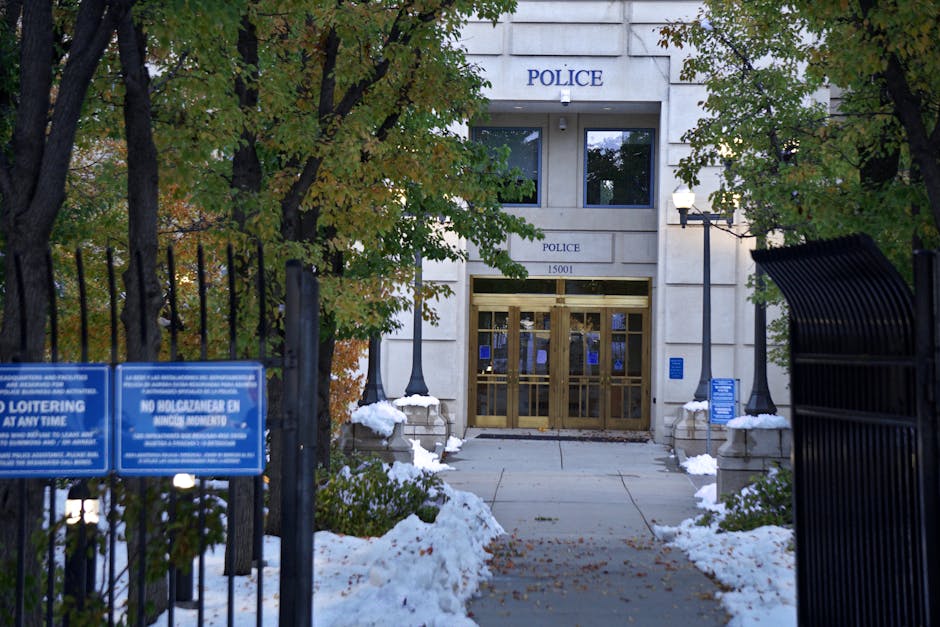
Under the updated guidance, officers are reportedly encouraged to evaluate situations where a resident's "implied consent" might be inferred, or where perceived "exigent circumstances"—even if not immediately life-threatening—could justify entry. This shift reportedly seeks to streamline operations, allowing agents to act more decisively in situations where obtaining a judicial warrant might delay an apprehension. For instance, scenarios involving a suspect attempting to evade capture by retreating into a residence, or where officers believe evidence of an immigration violation might be immediately destroyed, are reportedly highlighted as potential grounds for entry without a traditional warrant. Critics argue this reinterpretation effectively lowers the bar for constitutional protections.
Defining ‘Consent’ and ‘Exigent Circumstances’
A central point of contention lies in the policy's redefinition of "consent." Legal experts traditionally define valid consent as voluntary, informed, and unambiguous. The new ICE guidance, however, reportedly explores conditions under which consent might be less explicit, such as a door being ajar, or a resident answering the door and stepping back, which officers might interpret as an invitation to enter. Civil liberties groups contend that such interpretations are coercive and exploit potential language barriers or lack of legal understanding among residents.
Similarly, the concept of "exigent circumstances" is typically reserved for emergencies where immediate action is required to prevent serious injury, destruction of evidence, or escape of a dangerous fugitive. The new policy's alleged broader application of this term has raised alarms, with some suggesting it could be invoked in situations that do not meet the high legal threshold for true exigency, thus circumventing judicial review.
Impact: Who Is Affected and How
The ramifications of this new ICE policy are far-reaching, affecting immigrant communities, legal advocacy groups, and the broader framework of constitutional rights.
Immigrant Communities and Fear
The most immediate and profound impact is felt within immigrant communities, particularly those with mixed-status families. The policy fosters an environment of heightened fear and uncertainty, as residents may now feel their homes, traditionally sanctuaries, are vulnerable to warrantless entry. This can lead to increased stress, reluctance to seek essential services, and a breakdown of trust between communities and law enforcement. Reports from major metropolitan areas like Los Angeles, Houston, and New York City indicate increased anxiety among residents, who fear that any interaction at their doorstep could lead to an enforcement action without due process. Advocacy groups are already distributing "know your rights" materials, advising residents not to open their doors without a warrant.
Concerns from Civil Rights Advocates
Civil liberties organizations, including the American Civil Liberties Union (ACLU) and the National Immigration Law Center (NILC), have vehemently condemned the policy. They argue it represents a dangerous erosion of Fourth Amendment protections, effectively granting ICE agents unchecked authority to bypass judicial oversight. These groups warn that such a policy is ripe for abuse, potentially leading to wrongful entries, unlawful detentions, and increased racial profiling. They emphasize that the home remains the most protected space under the Constitution, and any policy that weakens that protection sets a perilous precedent for all citizens, regardless of immigration status.
Local Law Enforcement Dilemmas
The policy also creates potential friction between federal immigration agents and local law enforcement. Many cities and counties have "sanctuary" policies or other directives that limit cooperation with ICE. A federal policy that appears to circumvent constitutional norms could strain these relationships further, making joint operations more difficult and undermining community policing efforts. Local police departments often rely on community trust to solve crimes, and aggressive federal tactics perceived as violating rights can damage that trust for all law enforcement entities.
What Next: Anticipated Milestones and Challenges
The implementation of this new ICE policy is unlikely to proceed without significant opposition and legal challenges. Several avenues are expected to emerge as stakeholders react and respond.
Anticipated Legal Battles
Civil liberties and immigrant rights organizations are poised to challenge the policy in federal courts. Lawsuits are anticipated, potentially seeking injunctions to halt the policy's implementation on constitutional grounds. These legal actions would likely argue that the policy violates the Fourth Amendment by authorizing unreasonable searches and seizures, and that ICE's interpretation of consent and exigent circumstances is overly broad and unconstitutional. Individual cases arising from alleged warrantless entries could also serve as test cases, setting precedents for future enforcement actions.
Congressional Scrutiny and Public Advocacy
Members of Congress, particularly those advocating for immigrant rights and civil liberties, are expected to demand transparency regarding the policy's full details and its legal justifications. Congressional hearings could be convened to question ICE and Department of Homeland Security (DHS) officials. Public advocacy campaigns are also gearing up, aiming to raise awareness about the policy's implications and mobilize opposition. Petitions, protests, and educational initiatives will likely become more prevalent as communities seek to protect their rights.
Potential for Policy Revisions
While ICE has defended the policy as a necessary clarification for operational effectiveness, the intense public and legal pressure could lead to future revisions or clarifications. Past controversies surrounding immigration enforcement tactics have sometimes resulted in amended guidance or increased training for agents. The ultimate fate of this policy will likely depend on the outcomes of judicial challenges and the sustained pressure from civil society, potentially forcing ICE to re-evaluate its approach to residential enforcement actions. The coming months will be critical in determining the long-term impact and legality of this contentious directive.