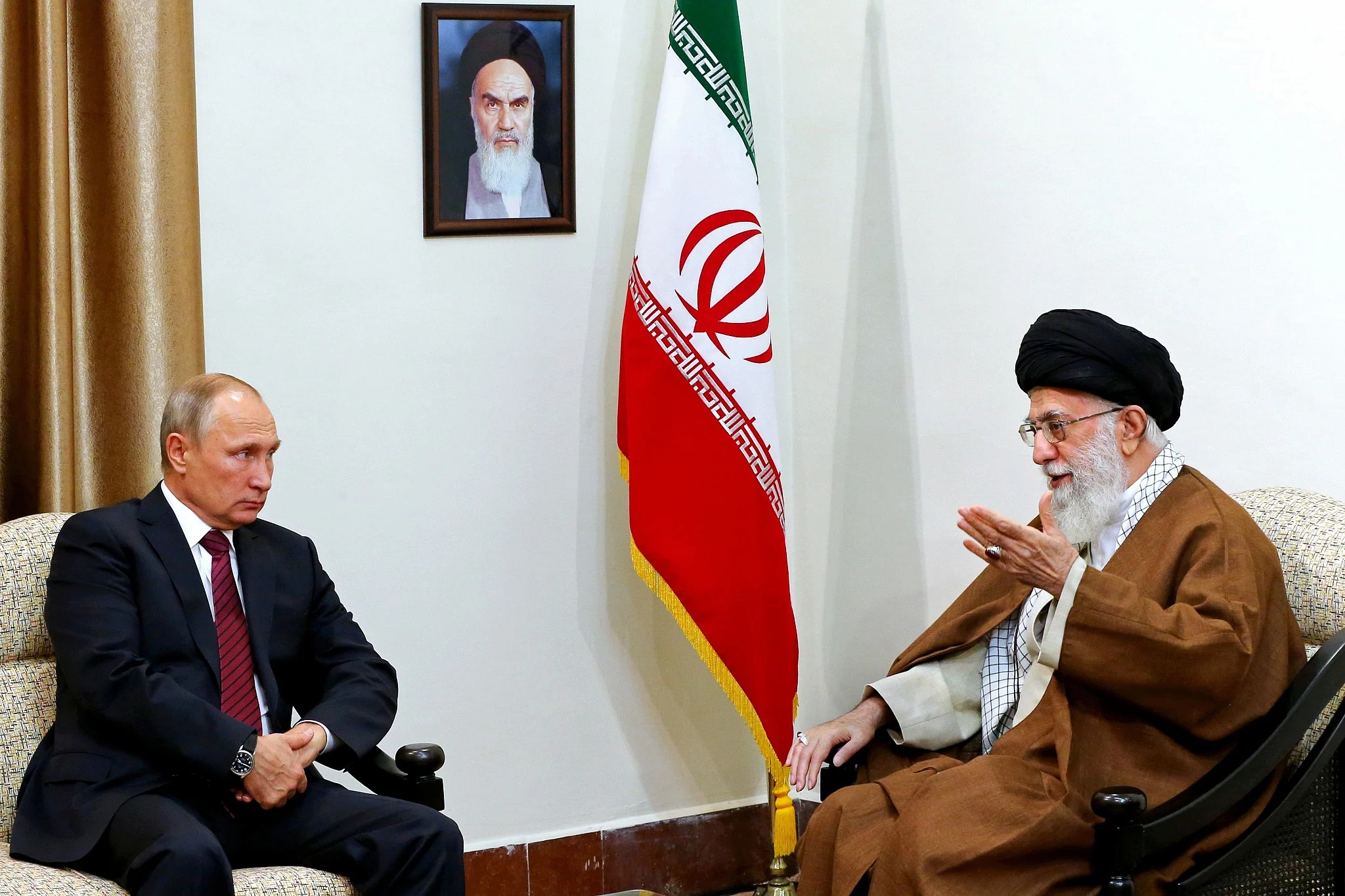
January 16, 2026 — Russia has sharply criticized what it calls “external interference” at the United Nations, warning that foreign involvement is worsening tensions surrounding Iran and threatening global stability. The statement comes amid growing diplomatic pressure, regional insecurity, and renewed debates over Iran’s role in Middle Eastern geopolitics. Moscow’s remarks have added a new layer of complexity to already strained international relations.
Russia’s Strong Message at the U.N.
During a recent United Nations session, Russian officials accused certain Western nations of manipulating international institutions to advance political agendas against Iran. According to Moscow, these actions undermine diplomatic processes and escalate conflicts rather than resolve them. Russia emphasized that the U.N. should remain a neutral platform for dialogue, not a tool for exerting unilateral pressure.
Russian representatives argued that repeated sanctions, political isolation, and public accusations directed at Iran are contributing to instability across the Middle East. They stressed that such measures often bypass constructive negotiations and instead fuel mistrust between nations.
Iran at the Center of Global Tensions
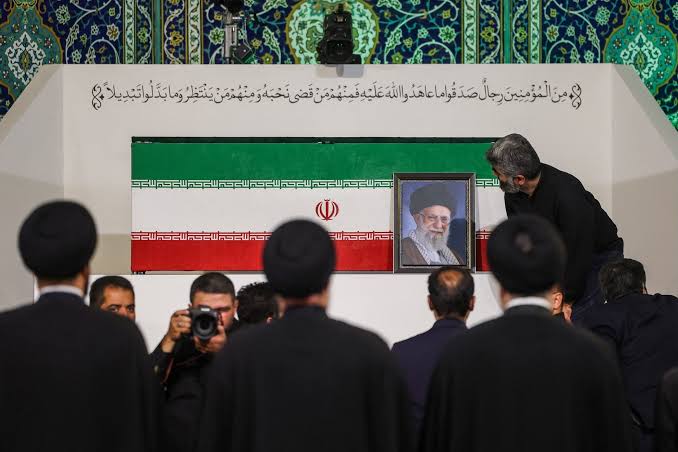
Iran has long been a focal point of international concern due to its nuclear program, regional influence, and relationships with armed groups in the Middle East. In recent months, tensions have intensified as allegations, counter-allegations, and military posturing have increased across the region.
Russia maintains that Iran’s issues should be addressed through diplomacy rather than coercion. Moscow reiterated its belief that sustained dialogue, mutual respect, and adherence to international law are the only viable paths toward long-term peace. Russian officials also warned that isolating Iran could push the region closer to conflict, with global consequences.
Criticism of Western Policies
A major part of Russia’s criticism was directed at Western countries, particularly the United States and its allies. Moscow accused them of selectively interpreting international rules while pressuring Iran through sanctions and political narratives at the U.N.
According to Russia, such policies amount to “external interference” that violates the principles of sovereignty and non-intervention. Russian diplomats argued that decisions affecting Iran should involve all stakeholders and be based on verified facts rather than political motivations.
This stance reflects Russia’s broader opposition to what it sees as a Western-dominated global order, where powerful nations influence international institutions to serve their interests.
Implications for the United Nations
Russia’s remarks have reignited debates about the role of the United Nations in resolving global conflicts. Critics argue that increasing polarization among major powers is weakening the effectiveness of the U.N. Security Council, often leading to deadlock instead of action.
By accusing others of interference, Russia positioned itself as a defender of multilateralism and diplomatic balance. However, analysts note that geopolitical rivalries between permanent Security Council members continue to limit the U.N.’s ability to act decisively on issues like Iran.
Middle East Stability at Risk
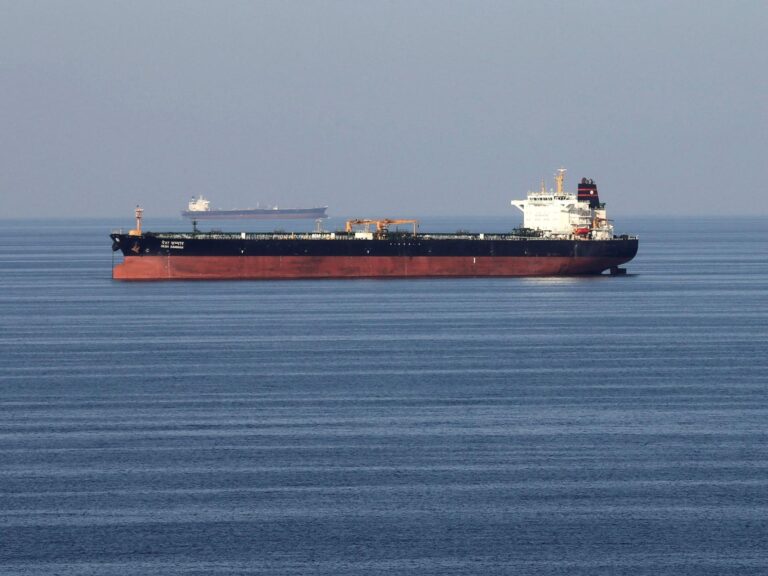
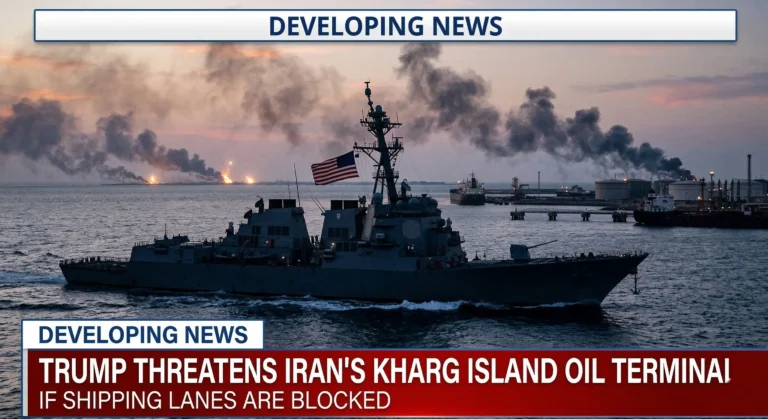
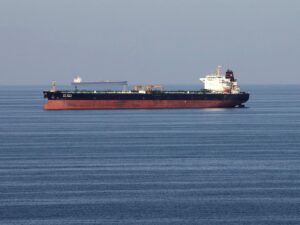
The growing dispute over Iran has serious implications for Middle Eastern stability. Any escalation involving Iran could impact critical shipping routes, global energy markets, and regional security alliances. Russia warned that reckless political pressure could trigger unintended consequences, including military confrontations.
Moscow called on all parties to de-escalate tensions and prioritize dialogue. Russian officials stressed that cooperation, rather than confrontation, is essential to prevent further destabilization in an already volatile region.
Global Reactions and Diplomatic Fallout
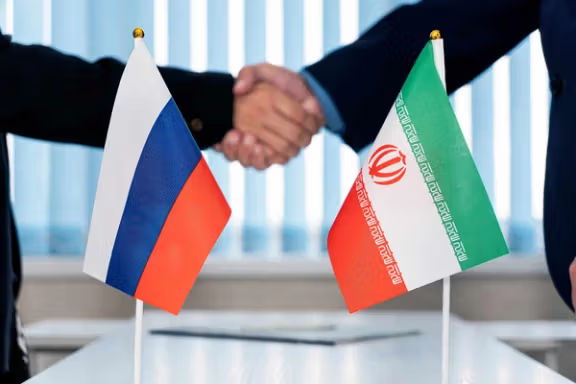
Russia’s comments have drawn mixed reactions from the international community. Some countries echoed Moscow’s concerns about unilateral actions and emphasized the need for inclusive diplomacy. Others defended tougher measures against Iran, arguing they are necessary to maintain international security.
Despite differing viewpoints, the debate highlights deep divisions within the global system. The situation underscores how disagreements over Iran are not just about one country but reflect broader struggles over power, influence, and the future of international governance.
Conclusion
Russia’s criticism of external interference at the United Nations marks a significant moment in the ongoing debate over Iran and global diplomacy. By calling out what it sees as politicization of the U.N., Moscow has reinforced its position as a counterbalance to Western influence while advocating for dialogue-based solutions.
As tensions surrounding Iran continue to evolve, the international community faces a critical choice: pursue cooperative diplomacy or risk further fragmentation of the global order. The coming weeks will be crucial in determining whether diplomacy can prevail over confrontation on one of the world’s most sensitive geopolitical issues.