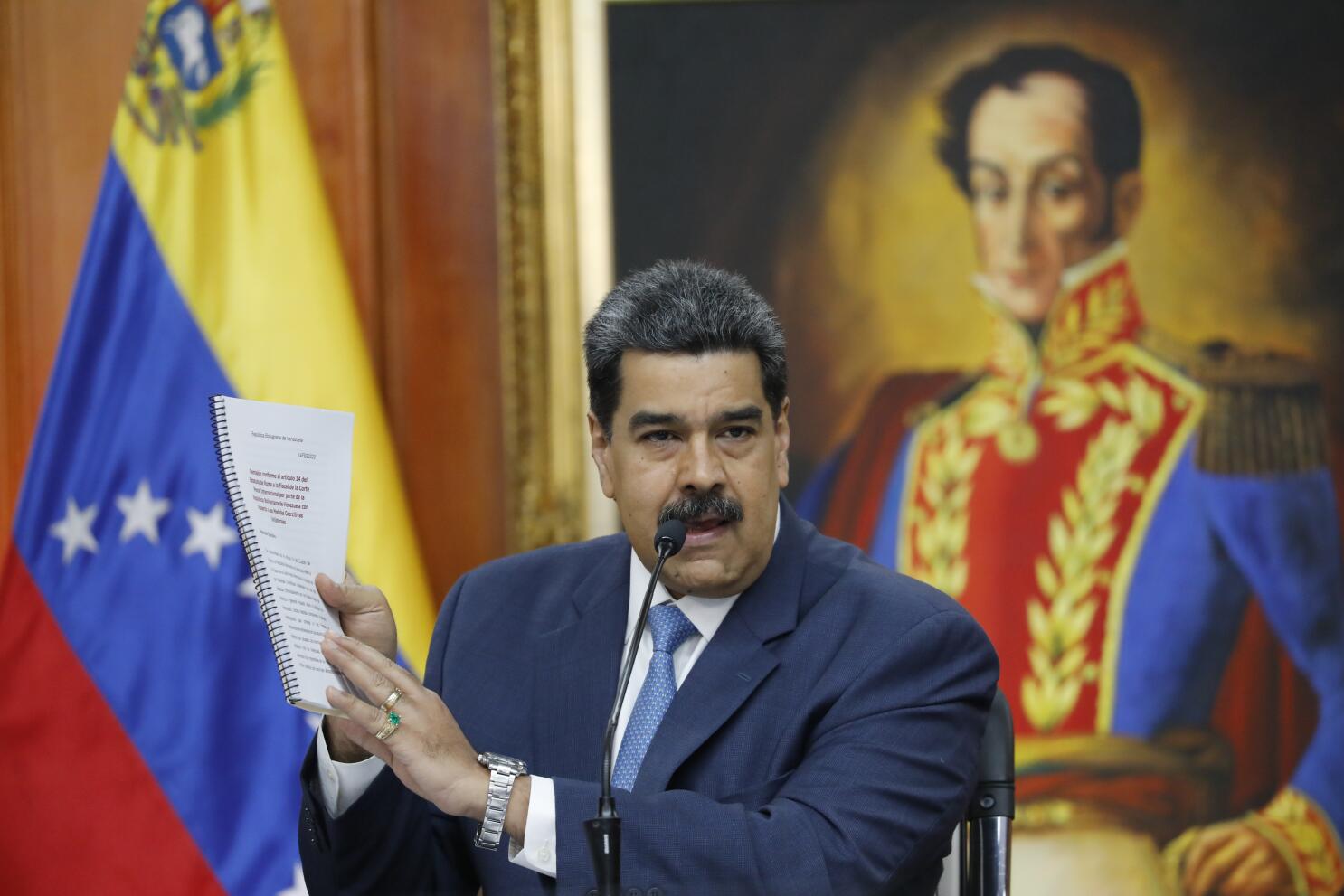
The world was shaken after reports confirmed a direct U.S. military strike on Venezuela, marking one of the most serious escalations in U.S.–Latin America relations in decades. The sudden operation has triggered intense global debate, diplomatic fallout, and fears of wider instability across South America. As details continue to emerge, the U.S. strike on Venezuela has become a defining geopolitical event with far-reaching consequences.
What Happened in the U.S. Strike on Venezuela
According to official statements, the United States launched a targeted military operation aimed at strategic locations in Venezuel. The strike reportedly focused on security installations linked to the Venezuelan government, citing concerns over national security, alleged criminal networks, and threats to regional stability. Explosions were reported in and around major urban centers, causing panic among civilians and disrupting normal life.
U.S. officials described the action as a “necessary and decisive measure,” emphasizing that the operation was limited in scope. However, Venezuel authorities condemned the attack as an act of aggression, accusing Washington of violating international law and national sovereignty.
Casualties and Humanitarian Concerns
While initial reports were unclear, Venezuel officials later acknowledged civilian and military casualties. Hospitals in affected areas were placed on emergency alert, and images circulating on social media showed damaged infrastructure and displaced residents. Human rights organizations have expressed serious concern, warning that the U.S. military strike on Venezuela could worsen the country’s already fragile humanitarian situation.
Years of economic crisis, sanctions, and political unrest have left Venezuela vulnerable. Aid groups fear that further escalation could disrupt food supplies, healthcare access, and electricity, pushing more citizens to flee the country.
Venezuela’s Response and Military Readiness
In response to the U.S. strike, Venezuela’s leadership ordered heightened military readiness across the nation. Air defenses were reportedly activated, and troops were deployed to strategic locations. Government officials vowed to defend the country “by all necessary means,” signaling that tensions remain dangerously high.
State media portrayed the strike as proof of foreign interference, calling for national unity against external threats. Large demonstrations were reported in support of Venezuelan sovereignty, while opposition voices warned that continued confrontation could devastate the country further.
International Reaction: A Divided World
The U.S. strike on Venezuela immediately drew reactions from across the globe. Several countries, including Russia, China, and Cuba, strongly condemned the action, labeling it a violation of international norms. Latin American nations expressed alarm, warning that military intervention could destabilize the entire region.
The United Nations urged restraint from all sides, calling for dialogue and diplomatic solutions rather than force. European leaders echoed similar sentiments, emphasizing the need to protect civilians and prevent a broader conflict.
Meanwhile, some U.S. allies cautiously supported Washington’s stance, arguing that strong action was necessary to counter alleged criminal activities and authoritarian practices in Venezuela. This split highlights growing divisions in global politics.
Impact on Global Markets and Energy
Venezuela holds some of the world’s largest oil reserves, making the situation economically significant. Following news of the strike, oil prices experienced volatility as investors reacted to fears of supply disruptions. Analysts warn that prolonged instability could affect global energy markets, especially if sanctions tighten or production declines further.
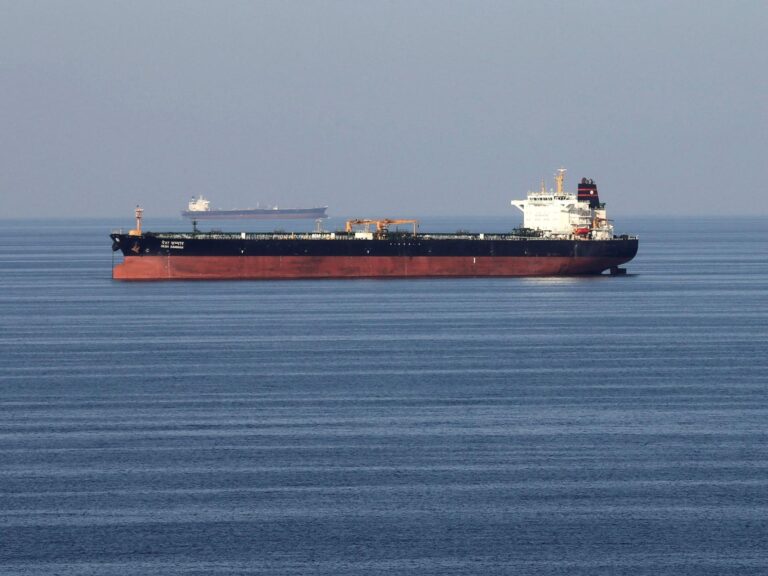
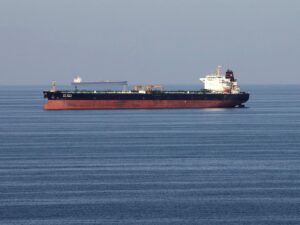
Shipping routes in the Caribbean region are also under close watch, with airlines and cargo companies reassessing operations due to security concerns.
Legal and Ethical Questions
The U.S. attack on Venezuela has reignited debates over international law, sovereignty, and the use of force. Legal experts are questioning whether the strike meets the criteria for self-defense under international frameworks. Critics argue that unilateral military action sets a dangerous precedent, while supporters claim it sends a strong message against alleged transnational crimes.
These debates are likely to intensify as more information becomes available and investigations begin.
What Happens Next
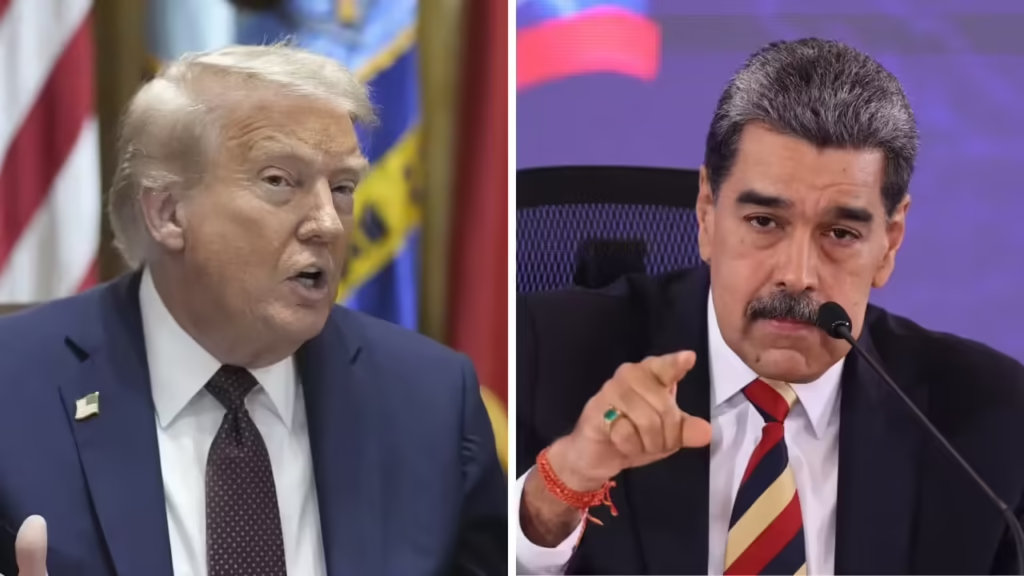
The coming days will be critical. Diplomatic back-channel talks may determine whether tensions ease or escalate further. The possibility of additional U.S. strikes, retaliatory actions, or expanded sanctions remains uncertain.
For Venezuela’s people, the priority remains safety and stability. For the world, the U.S.–Venezuela conflict serves as a stark reminder of how quickly geopolitical tensions can erupt into military action.
Conclusion
The U.S. strike on Venezuela is more than a single military operation—it is a turning point with profound implications for regional security, international law, and global politics. As governments, organizations, and citizens react, the focus must remain on preventing further violence and protecting innocent lives. Whether this crisis leads to dialogue or deeper conflict will shape the future of Venezuela and its relations with the world.