



Manila, November 9, 2025 — The Philippines woke up today bracing for one of the most powerful storms in its history. Super Typhoon Fung-wong, locally named Uwan, roared toward the archipelago with devastating winds, torrential rain, and warnings of catastrophic flooding. Authorities have launched massive evacuation efforts, moving more than 100,000 residents from vulnerable coastal and low-lying areas as the storm barrels westward across the Pacific.
A Monster Storm Forms Over the Pacific
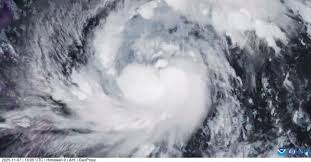
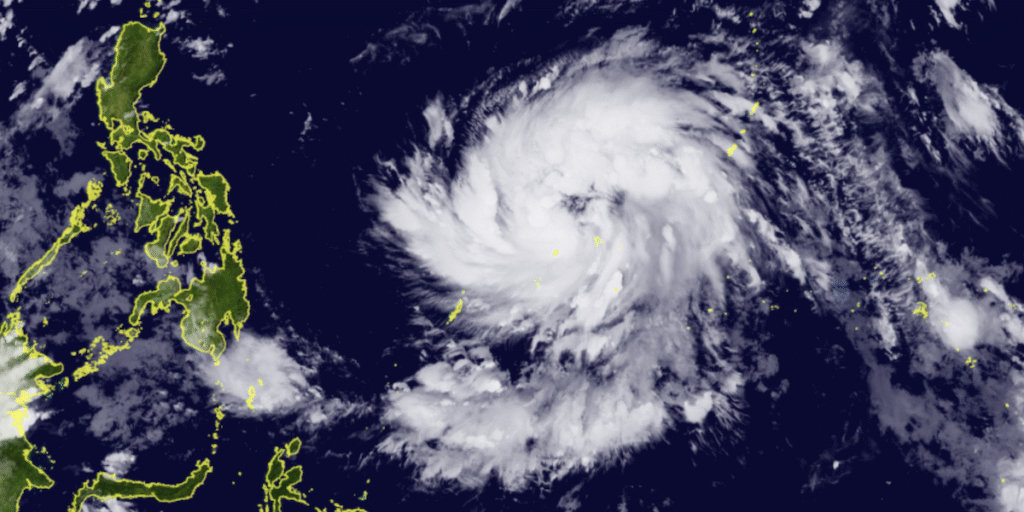
Satellite imagery from the Philippine Atmospheric, Geophysical and Astronomical Services Administration (PAGASA) showed the eye of Fung-wong tightening rapidly overnight. The storm has sustained winds of 185 km/h (115 mph) and gusts peaking near 230 km/h (143 mph) — conditions that classify it as a sSuper Typhoon Fung-wong.
Meteorologists warn that Super Typhoon Fung-wong path could take it directly across Luzon, the country’s most populous island, potentially threatening Manila and neighboring provinces by early Monday morning.
“This is a very dangerous system,” said PAGASA Director Clarita Villanueva. “We are urging all local government units to complete evacuations now — before landfall. Once the storm arrives, movement will be impossible.”
Government Declares State of Emergency
President Ferdinand Marcos Jr. declared a state of emergency across affected regions, enabling local governments to release emergency funds and mobilize response teams.
Military, police, and volunteer groups have been deployed to assist in moving residents from flood-prone barangays and coastal villages. Schools and community centers have been converted into temporary shelters, while medical teams stand by to assist with injuries and health emergencies.
The Department of Energy reported early preventive shutdowns of power lines in Bicol and Eastern Visayas to minimize risk from toppled poles and electrical fires. Ferry services were suspended nationwide, and dozens of domestic and international flights were grounded as airports braced for the storm’s arrival.
A Nation Still Reeling from Typhoon Kalmaegi
The timing of Super Typhoon Fung-wong arrival could not be worse. Just two weeks earlier, Typhoon Kalmaegi swept across central Philippines, killing more than 200 people and displacing thousands. Many of those communities have yet to rebuild, and saturated soil in mountainous regions heightens the risk of landslides and flash floods.
“We haven’t even buried some of our dead from the last storm,” said Rosa May Aguilar, a resident of Catanduanes who spoke to local media while packing her belongings. “Now we have to flee again. It’s terrifying.”
Local and Global Response
The Philippine Red Cross has activated its emergency operations center and pre-positioned relief goods — including food packs, drinking water, and hygiene kits — in key provinces.
International humanitarian organizations such as the World Food Programme (WFP) and UNICEF are also on standby to provide logistical and post-disaster assistance.
The United States and Japan, longtime partners in disaster response, have offered aerial surveillance and rescue support. Both countries maintain military and humanitarian cooperation agreements with the Philippines, which often experiences 15–20 tropical cyclones per year.
Expected Impacts
Meteorologists predict that Fung-wong could dump up to 400 mm of rain in parts of Luzon and Visayas within 24 hours. Storm surges may reach 3 to 5 meters in coastal regions, threatening fishing communities and port towns.
Infrastructure experts are warning of widespread power outages and communication blackouts, with potential damage to roads, bridges, and agricultural zones.
The Department of Agriculture has already raised alarms about the impact on rice and coconut farms, saying “millions of pesos worth of crops” could be destroyed — a severe blow to the food supply chain.
Climate Resilience and the Bigger Picture
The frequency and intensity of storms hitting the Philippines have intensified over the last decade, aligning with global patterns of climate change-driven weather extremes.
Environmental scientists stress the need for long-term solutions: stronger coastal defenses, sustainable urban drainage systems, and comprehensive early-warning infrastructure.
“Each year, we are forced to evacuate tens of thousands of people,” said climate researcher Dr. Lea Manalo of the University of the Philippines. “This cycle will not stop until global greenhouse gas emissions are curbed and adaptation measures are mainstreamed into local governance.”
A Nation Holding Its Breath
As night falls, winds whip through coastal provinces, bending palm trees and shaking tin-roof homes. Rain lashes against evacuation centers where families huddle under flickering lights.
For millions of Filipinos, it’s another test of endurance — a reminder of both nature’s fury and human resilience.
“Storms come and go,” said fisherman Jonas de Vera, standing near an evacuation center in Sorsogon. “But we survive because we help each other. That’s what being Filipino means.”